KAIST-KBSI, ‘Communication’ Between Proteins Found to Mitigate Alzheimer’s Toxicity… Opening the Path to Treatment
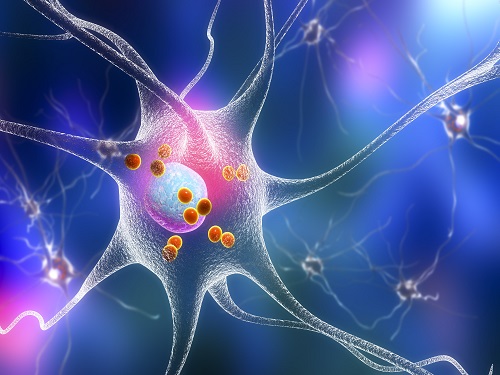
50 million people worldwide are estimated to have dementia, with Alzheimer’s disease—accounting for over 70%—being the representative neurodegenerative brain disorder. A Korean research team has, for the first time in the world, identified at the molecular level that tau and amyloid-β, the two key pathological proteins of Alzheimer’s disease, directly communicate to regulate toxicity. This achievement is expected to provide new insights into the pathophysiology of Alzheimer’s disease, as well as important clues for discovering biomarkers for early diagnosis and developing therapeutics for neurodegenerative brain disorders.
KAIST (President Kwang Hyung Lee) announced on the 24th of August that Professor Mi Hee Lim’s research team in the Department of Chemistry (Director of the Research Center for Metal–Neuroprotein Interactions), in collaboration with Dr. Young-Ho Lee’s team from the Division of Advanced Biomedical Research at the Korea Basic Science Institute (KBSI, President Sung-kwang Yang) under the National Research Council of Science & Technology (NST, Chairperson Yeung-Shik Kim), together with Dr. Yun Kyung Kim and Dr. Sung Su Lim from the Brain Science Institute at the Korea Institute of Science and Technology (KIST, President Sang-Rok Oh), has elucidated at the molecular level that the microtubule-binding domain of tau—one of the major pathological proteins of Alzheimer’s disease—directly interacts with amyloid-β (tau–amyloid-β communication), alters its aggregation pathway, and alleviates cellular toxicity.
Pathologically, Alzheimer’s disease is characterized by the accumulation of“neurofibrillary tangles” formed by aggregates of tau, a protein responsible for transporting nutrients and signaling molecules within neurons, and “amyloid plaques (senile plaques)” formed by clusters of amyloid-β fragments—abnormally cleaved from amyloid precursor protein, which is involved in brain development, intercellular signaling, and neuronal recovery—that aggregate in and around neuronal membranes in the brain.
Although tau and amyloid-β form pathological structures in spatially separated locations, it has been suggested that they may coexist inside and outside of cells and potentially interact. However, the molecular-level understanding of how their direct interaction affects the onset and progression of the disease has not been clearly revealed until now.
The joint research team found that among the structural repeats of tau protein that bind to microtubules (the intracellular transport system) inside neurons—K18, R1–R4, PHF6*, and PHF6—specifically K18, R2, and R3 bind with amyloid-β to form ‘tau–amyloid-β heterocomplexes.’ This process is significant because amyloid-β normally assembles into highly toxic, rigid fibers (amyloid fibrils), but when certain tau regions bind, amyloid-β shifts to an aggregation pathway that produces less toxic, less rigid aggregates.
Notably, these repeat regions of tau delay the nucleation stage (the initial step of amyloid aggregation linked to disease onset) and simultaneously alter the aggregation speed and structural form of amyloid-β associated with disease progression. As a result, the toxicity caused by amyloid-β was markedly reduced in both the intracellular and extracellular environments of the brain.
In this study, the team combined precise analytical techniques—including spectroscopy, mass spectrometry, isothermal titration calorimetry, and nuclear magnetic resonance—with cell-based toxicity assays to comprehensively analyze the structural, thermodynamic, and functional properties of tau–amyloid interactions.
The findings revealed that specific regions of tau’s microtubule-binding repeats possess both hydrophilic (water-attracting) and hydrophobic (water-repelling) characteristics, and when the balance of these two properties is optimized, tau binds more effectively to amyloid-β. In other words, the intrinsic properties of tau determine its binding affinity with amyloid-β, its modulation of aggregation pathways, and its ability to regulate toxicity.
Dr. Young-Ho Lee of KBSI stated, “This research has uncovered a new molecular mechanism for the onset and progression of dementia, an intractable neurodegenerative disease. In particular, multidisciplinary convergent research focused on molecular interactions and protein aggregation is expected to play a pivotal role in clarifying not only the cross-talk between Alzheimer’s and Parkinson’s diseases but also the interconnections among various diseases such as dementia, diabetes, and cancer.”
Professor Mi Hee Lim of KAIST added, “Tau protein does not merely contribute to pathological formation, but rather, through specific microtubule-binding repeat structures, it exerts a molecular function that actively mitigates amyloid-β aggregation and toxicity. This provides a new turning point in the pathological understanding of Alzheimer’s disease. The significance of this study lies in identifying new molecular motifs that could serve as therapeutic targets not only for Alzheimer’s but also for a variety of protein aggregation-based neurodegenerative brain disorders.”
This research, with Dr. Min Geun Kim of KAIST’s Department of Chemistry as first author, was published on August 22 in the internationally renowned journal Nature Chemical Biology (Impact factor: 13.7, top 3.8% in the field of chemistry).
※ Paper Title: “Interactions with tau’s microtubule-binding repeats modulate amyloid-β aggregation and toxicity”
※ DOI: 10.1038/s41589-025-01987-0
This research was supported by the National Research Foundation of Korea’s Basic Research Program (Leader Research and Mid-career Researcher Program), the Sejong Science Fellowship, as well as KBSI and KIST.
KAIST Research Team Proves How a Neurotransmitter may be the Key in Controlling Alzheimer’s Toxicity
With nearly 50 million dementia patients worldwide, and Alzheimers’s disease is the most common neurodegenerative disease. Its main symptom is the impairment of general cognitive abilities, including the ability to speak or to remember. The importance of finding a cure is widely understood with increasingly aging population and the life expectancy being ever-extended. However, even the cause of the grim disease is yet to be given a clear definition.
A KAIST research team in the Department of Chemistry led by professor Mi Hee Lim took on a lead to discovered a new role for somatostatin, a protein-based neurotransmitter, in reducing the toxicity caused in the pathogenic mechanism taken towards development of Alzheimer’s disease. The study was published in the July issue of Nature Chemistry under the title, “Conformational and functional changes of the native neuropeptide somatostatin occur in the presence of copper and amyloid-β”.
According to the amyloid hypothesis, the abnormal deposition of Aβ proteins causes death of neuronal cells. While Aβ agglomerations make up most of the aged plaques through fibrosis, in recent studies, high concentrations of transitional metal were found in the plaques from Alzheimer’s patients.
This suggests a close interaction between metallic ions and Aβ, which accelerates the fibrosis of proteins. Copper in particular is a redox-activating transition metal that can produce large amounts of oxygen and cause serious oxidative stress on cell organelles. Aβ proteins and transition metals can closely interact with neurotransmitters at synapses, but the direct effects of such abnormalities on the structure and function of neurotransmitters are yet to be understood.
Figure 1. Functional shift of somatostatin (SST) by factors in the pathogenesis of Alzheimer's disease.
Figure 2. Somatostatin’s loss-of-function as neurotransmitter. a. Schematic diagram of SST auto-aggregation due to Alzheimer's pathological factors. b. SST’s aggregation by copper ions. c. Coordination-prediction structure and N-terminal folding of copper-SST. d. Inhibition of SST receptor binding specificity by metals.
In their research, Professor Lim’s team discovered that when somatostatin, the protein-based neurotransmitter, is met with copper, Aβ, and metal-Aβ complexes, self-aggregates and ceases to perform its innate function of transmitting neural signals, but begins to attenuate the toxicity and agglomeration of metal-Aβ complexes.
Figure 3. Gain-of-function of somatostatin (SST) in the dementia setting. a. Prediction of docking of SST and amyloid beta. b. SST making metal-amyloid beta aggregates into an amorphous form. c. Cytotoxic mitigation effect of SST. d. SST mitigating the interaction between amyloid beta protein with the cell membrane.
This research, by Dr. Jiyeon Han et al. from the KAIST Department of Chemistry, revealed the coordination structure between copper and somatostatin at a molecular level through which it suggested the agglomeration mechanism, and discovered the effects of somatostatin on Aβ agglomeration path depending on the presence or absence of metals. The team has further confirmed somatostatin’s receptor binding, interactions with cell membranes, and effects on cell toxicity for the first time to receive international attention.
Professor Mi Hee Lim said, “This research has great significance in having discovered a new role of neurotransmitters in the pathogenesis of Alzheimer’s disease.” “We expect this research to contribute to defining the pathogenic network of neurodegenerative diseases caused by aging, and to the development of future biomarkers and medicine,” she added.
This research was conducted jointly by Professor Seung-Hee Lee’s team of KAIST Department of Biological Sciences, Professor Kiyoung Park’s Team of KAIST Department of Chemistry, and Professor Yulong Li’s team of Peking University.
The research was funded by Basic Science Research Program of the National Research Foundation of Korea and KAIST.
For more information about the research team, visit the website: https://sites.google.com/site/miheelimlab/1-professor-mi-hee-lim.