%4d%41%4e%54
-
 KAIST Awakens dormant immune cells inside tumors to attack cancer
<(From Left) Professor Ji-Ho Park, Dr. Jun-Hee Han from the Department of Bio and Brain Engineering>
Within tumors in the human body, there are immune cells (macrophages) capable of fighting cancer, but they have been unable to perform their roles properly due to suppression by the tumor. KAIST researchers have overcome this limitation by developing a new therapeutic approach that directly converts immune cells inside tumors into anticancer cell therapies.
KAIST (President Kwang Hyung Lee) announced on the 30th that a research team led by Professor Ji-Ho Park of the Department of Bio and Brain Engineering has developed a therapy in which, when a drug is injected directly into a tumor, macrophages already present in the body absorb it, produce CAR (a cancer-recognizing device) proteins on their own, and are converted into anticancer immune cells known as “CAR-macrophages.”
Solid tumors—such as gastric, lung, and liver cancers—grow as dense masses, making it difficult for immune cells to infiltrate tumors or maintain their function. As a result, the effectiveness of existing immune cell therapies has been limited.
CAR-macrophages, which have recently attracted attention as a next-generation immunotherapy, have the advantage of directly engulfing cancer cells while simultaneously activating surrounding immune cells to amplify anticancer responses.
However, conventional CAR-macrophage therapies require immune cells to be extracted from a patient’s blood, followed by cell culture and genetic modification. This process is time-consuming, costly, and has limited feasibility for real-world patient applications.
To address this challenge, the research team focused on “tumor-associated macrophages” that are already accumulated around tumors.
They developed a strategy to directly reprogram immune cells in the body by loading lipid nanoparticles—designed to be readily absorbed by macrophages—with both mRNA encoding cancer-recognition information and an immunostimulant that activates immune responses.
In other words, in this study, CAR-macrophages were created by “directly converting the body’s own macrophages into anticancer cell therapies inside the body.”
<Figure . Schematic illustration of the strategy for in vivo CAR-macrophage generation and cancer cell eradication via co-delivery of CAR mRNA and immunostimulants using lipid nanoparticles (LNPs)>
When this therapeutic agent was injected into tumors, macrophages rapidly absorbed it and began producing proteins that recognize cancer cells, while immune signaling was simultaneously activated. As a result, the generated “enhanced CAR-macrophages” showed markedly improved cancer cell–killing ability and activated surrounding immune cells, producing a powerful anticancer effect.
In animal models of melanoma (the most dangerous form of skin cancer), tumor growth was significantly suppressed, and the therapeutic effect was shown to have the potential to extend beyond the local tumor site to induce systemic immune responses.
Professor Ji-Ho Park stated, “This study presents a new concept of immune cell therapy that generates anticancer immune cells directly inside the patient’s body,” adding that “it is particularly meaningful in that it simultaneously overcomes the key limitations of existing CAR-macrophage therapies—delivery efficiency and the immunosuppressive tumor environment.”
This research was led by Jun-Hee Han, Ph.D., of the Department of Bio and Brain Engineering at KAIST as the first author, and the results were published on November 18 in ACS Nano, an international journal in the field of nanotechnology.
※ Paper title: “In Situ Chimeric Antigen Receptor Macrophage Therapy via Co-Delivery of mRNA and Immunostimulant,” Authors: Jun-Hee Han (first author), Erinn Fagan, Kyunghwan Yeom, Ji-Ho Park (corresponding author), DOI: 10.1021/acsnano.5c09138
This research was supported by the Mid-Career Researcher Program of the National Research Foundation of Korea.
2025.12.31 View 3619
KAIST Awakens dormant immune cells inside tumors to attack cancer
<(From Left) Professor Ji-Ho Park, Dr. Jun-Hee Han from the Department of Bio and Brain Engineering>
Within tumors in the human body, there are immune cells (macrophages) capable of fighting cancer, but they have been unable to perform their roles properly due to suppression by the tumor. KAIST researchers have overcome this limitation by developing a new therapeutic approach that directly converts immune cells inside tumors into anticancer cell therapies.
KAIST (President Kwang Hyung Lee) announced on the 30th that a research team led by Professor Ji-Ho Park of the Department of Bio and Brain Engineering has developed a therapy in which, when a drug is injected directly into a tumor, macrophages already present in the body absorb it, produce CAR (a cancer-recognizing device) proteins on their own, and are converted into anticancer immune cells known as “CAR-macrophages.”
Solid tumors—such as gastric, lung, and liver cancers—grow as dense masses, making it difficult for immune cells to infiltrate tumors or maintain their function. As a result, the effectiveness of existing immune cell therapies has been limited.
CAR-macrophages, which have recently attracted attention as a next-generation immunotherapy, have the advantage of directly engulfing cancer cells while simultaneously activating surrounding immune cells to amplify anticancer responses.
However, conventional CAR-macrophage therapies require immune cells to be extracted from a patient’s blood, followed by cell culture and genetic modification. This process is time-consuming, costly, and has limited feasibility for real-world patient applications.
To address this challenge, the research team focused on “tumor-associated macrophages” that are already accumulated around tumors.
They developed a strategy to directly reprogram immune cells in the body by loading lipid nanoparticles—designed to be readily absorbed by macrophages—with both mRNA encoding cancer-recognition information and an immunostimulant that activates immune responses.
In other words, in this study, CAR-macrophages were created by “directly converting the body’s own macrophages into anticancer cell therapies inside the body.”
<Figure . Schematic illustration of the strategy for in vivo CAR-macrophage generation and cancer cell eradication via co-delivery of CAR mRNA and immunostimulants using lipid nanoparticles (LNPs)>
When this therapeutic agent was injected into tumors, macrophages rapidly absorbed it and began producing proteins that recognize cancer cells, while immune signaling was simultaneously activated. As a result, the generated “enhanced CAR-macrophages” showed markedly improved cancer cell–killing ability and activated surrounding immune cells, producing a powerful anticancer effect.
In animal models of melanoma (the most dangerous form of skin cancer), tumor growth was significantly suppressed, and the therapeutic effect was shown to have the potential to extend beyond the local tumor site to induce systemic immune responses.
Professor Ji-Ho Park stated, “This study presents a new concept of immune cell therapy that generates anticancer immune cells directly inside the patient’s body,” adding that “it is particularly meaningful in that it simultaneously overcomes the key limitations of existing CAR-macrophage therapies—delivery efficiency and the immunosuppressive tumor environment.”
This research was led by Jun-Hee Han, Ph.D., of the Department of Bio and Brain Engineering at KAIST as the first author, and the results were published on November 18 in ACS Nano, an international journal in the field of nanotechnology.
※ Paper title: “In Situ Chimeric Antigen Receptor Macrophage Therapy via Co-Delivery of mRNA and Immunostimulant,” Authors: Jun-Hee Han (first author), Erinn Fagan, Kyunghwan Yeom, Ji-Ho Park (corresponding author), DOI: 10.1021/acsnano.5c09138
This research was supported by the Mid-Career Researcher Program of the National Research Foundation of Korea.
2025.12.31 View 3619 -
 Engineered Microbial Production of Grape Flavoring
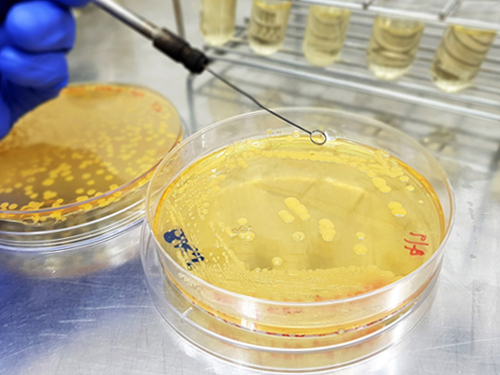
(Image 1: Engineered bacteria that produce grape flavoring.)
Researchers report a microbial method for producing an artificial grape flavor. Methyl anthranilate (MANT) is a common grape flavoring and odorant compound currently produced through a petroleum-based process that uses large volumes of toxic acid catalysts.
Professor Sang-Yup Lee’s team at the Department of Chemical and Biomolecular Engineering demonstrated production of MANT, a naturally occurring compound, via engineered bacteria. The authors engineered strains of Escherichia coli and Corynebacetrium glutamicum to produce MANT through a plant-based engineered metabolic pathway.
The authors tuned the bacterial metabolic pathway by optimizing the levels of AAMT1, the key enzyme in the process. To maximize production of MANT, the authors tested six strategies, including increasing the supply of a precursor compound and enhancing the availability of a co-substrate. The most productive strategy proved to be a two-phase extractive culture, in which MANT was extracted into a solvent. This strategy produced MANT on the scale of 4.47 to 5.74 grams per liter, a significant amount, considering that engineered microbes produce most natural products at a scale of milligrams or micrograms per liter.
According to the authors, the results suggest that MANT and other related molecules produced through industrial processes can be produced at scale by engineered microbes in a manner that would allow them to be marketed as natural one, instead of artificial one.
This study, featured at the Proceeding of the National Academy of Sciences of the USA on May 13, was supported by the Technology Development Program to Solve Climate Changes on Systems Metabolic Engineering for Biorefineries from the Ministry of Science and ICT.
(Image 2. Overview of the strategies applied for the microbial production of grape flavoring.)
2019.05.15 View 63520
Engineered Microbial Production of Grape Flavoring
(Image 1: Engineered bacteria that produce grape flavoring.)
Researchers report a microbial method for producing an artificial grape flavor. Methyl anthranilate (MANT) is a common grape flavoring and odorant compound currently produced through a petroleum-based process that uses large volumes of toxic acid catalysts.
Professor Sang-Yup Lee’s team at the Department of Chemical and Biomolecular Engineering demonstrated production of MANT, a naturally occurring compound, via engineered bacteria. The authors engineered strains of Escherichia coli and Corynebacetrium glutamicum to produce MANT through a plant-based engineered metabolic pathway.
The authors tuned the bacterial metabolic pathway by optimizing the levels of AAMT1, the key enzyme in the process. To maximize production of MANT, the authors tested six strategies, including increasing the supply of a precursor compound and enhancing the availability of a co-substrate. The most productive strategy proved to be a two-phase extractive culture, in which MANT was extracted into a solvent. This strategy produced MANT on the scale of 4.47 to 5.74 grams per liter, a significant amount, considering that engineered microbes produce most natural products at a scale of milligrams or micrograms per liter.
According to the authors, the results suggest that MANT and other related molecules produced through industrial processes can be produced at scale by engineered microbes in a manner that would allow them to be marketed as natural one, instead of artificial one.
This study, featured at the Proceeding of the National Academy of Sciences of the USA on May 13, was supported by the Technology Development Program to Solve Climate Changes on Systems Metabolic Engineering for Biorefineries from the Ministry of Science and ICT.
(Image 2. Overview of the strategies applied for the microbial production of grape flavoring.)
2019.05.15 View 63520 -
 First Female Grand Prize Awardee of Samsung Humantech
Yeunhee Huh, PhD candidate (Professor Gyu-Hyeong Cho) from the School of Electrical Engineering received the grand prize of the 24th Humantech Paper Award. She is the first female recipient of this prize since its establishment in 1994. The Humantech Paper Award is hosted by Samsung Electronics and sponsored by the Ministry of Science and ICT with JoongAng Daily Newspaper. Her paper is titled, ‘A Hybrid Structure Dual-Path Step-Down Converter with 96.2% Peak Efficiency using 250mΩ Large-DCR Inductor’. Electronic devices require numerous chips and have a power converter to supply energy adequately. She proposed a new structure to enhance energy efficiency by combining inductors and capacitors. Enhancing energy efficiency can reduce energy loss, which prolongs battery hours and solves overheating of devices; for instance, energy loss leads to the overheating issue affecting phone chargers. This technology can be applied to various electronic devices, such as cell phones, laptops, and drones. Huh said, “Power has to go up in order to meet customers’ needs; however the overheating problem emerges during this process. This problem affects surrounding circuits and causes other issues, such as malfunctions of electronic devices. This technology may vary according to the conditions, but it can enhance energy efficiency up to 4%.”During the ceremony, about eight hundred million KRW worth cash prizes was conferred to 119 papers. KAIST (44 papers) and Gyeonggi Science High School (6 papers) received special awards given to the schools.
2018.02.12 View 14902
First Female Grand Prize Awardee of Samsung Humantech
Yeunhee Huh, PhD candidate (Professor Gyu-Hyeong Cho) from the School of Electrical Engineering received the grand prize of the 24th Humantech Paper Award. She is the first female recipient of this prize since its establishment in 1994. The Humantech Paper Award is hosted by Samsung Electronics and sponsored by the Ministry of Science and ICT with JoongAng Daily Newspaper. Her paper is titled, ‘A Hybrid Structure Dual-Path Step-Down Converter with 96.2% Peak Efficiency using 250mΩ Large-DCR Inductor’. Electronic devices require numerous chips and have a power converter to supply energy adequately. She proposed a new structure to enhance energy efficiency by combining inductors and capacitors. Enhancing energy efficiency can reduce energy loss, which prolongs battery hours and solves overheating of devices; for instance, energy loss leads to the overheating issue affecting phone chargers. This technology can be applied to various electronic devices, such as cell phones, laptops, and drones. Huh said, “Power has to go up in order to meet customers’ needs; however the overheating problem emerges during this process. This problem affects surrounding circuits and causes other issues, such as malfunctions of electronic devices. This technology may vary according to the conditions, but it can enhance energy efficiency up to 4%.”During the ceremony, about eight hundred million KRW worth cash prizes was conferred to 119 papers. KAIST (44 papers) and Gyeonggi Science High School (6 papers) received special awards given to the schools.
2018.02.12 View 14902 -
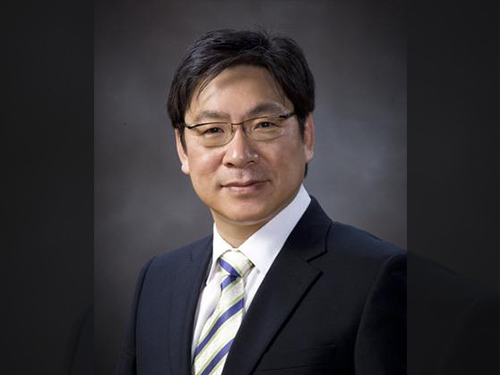 Professor Key-Sun Choi Receives the Order of Service Merit Green Stripes from the Korean Government
The award recognizes Professor Choi’s life-long research effort to make Korean language digitally available, both nationally and internationally.
Professor Key-Sun Choi of the School of Computing at KAIST received the Order of Service Merit Green Stripes from the Korean government at the 569th Korean Language Day, held annually to commemorate the invention of the Korean language, Hangeul. The ceremony took place on October 9, 2015, at the Sejong Center in Seoul.
Professor Choi has distinguished himself in the field of natural language processing (NLP), including Korean language. He developed a Korean NLP parser that enabled information processing and data analysis of Korean language, as well as a digital Korean dictionary, contributing to the advancement of Korean language-based information technology.
Professor Choi also led the way to widespread use of Korean natural language in computing by developing and commercializing open source software to process the Korean language.
He has served leading roles in many of the international academic societies and standardization organizations, among others, as the vice president of Infoterm (the International Information Center for Terminology), president of the Asia Federation of Natural Language Processing, vice chair of ISO/TC 37, a technical committee in the International Organization for Standardization (ISO), and a council member for the International Association of Machine Translation.
2015.10.08 View 13606
Professor Key-Sun Choi Receives the Order of Service Merit Green Stripes from the Korean Government
The award recognizes Professor Choi’s life-long research effort to make Korean language digitally available, both nationally and internationally.
Professor Key-Sun Choi of the School of Computing at KAIST received the Order of Service Merit Green Stripes from the Korean government at the 569th Korean Language Day, held annually to commemorate the invention of the Korean language, Hangeul. The ceremony took place on October 9, 2015, at the Sejong Center in Seoul.
Professor Choi has distinguished himself in the field of natural language processing (NLP), including Korean language. He developed a Korean NLP parser that enabled information processing and data analysis of Korean language, as well as a digital Korean dictionary, contributing to the advancement of Korean language-based information technology.
Professor Choi also led the way to widespread use of Korean natural language in computing by developing and commercializing open source software to process the Korean language.
He has served leading roles in many of the international academic societies and standardization organizations, among others, as the vice president of Infoterm (the International Information Center for Terminology), president of the Asia Federation of Natural Language Processing, vice chair of ISO/TC 37, a technical committee in the International Organization for Standardization (ISO), and a council member for the International Association of Machine Translation.
2015.10.08 View 13606