%46%54
-
 KAIST Develops a Venus Flytrap-Inspired 'Robot Hand' Material That Detects What Comes Near and Grasps It Under UV Light
A Venus flytrap closes its leaves to trap prey when it senses a stimulus. Taking inspiration from this plant, KAIST researchers have combined the roles of a skin that senses approaching objects and a muscle that grasps them in a single soft material. When an electrically charged object comes near, ions inside the material move and produce an electrical signal. When ultraviolet (UV) light is applied, the material bends and grasps the object. Because it holds its deformed shape for more than 10 minutes after the light is turned off, the material shows potential for soft robotic hands that require fewer components and less wiring.
KAIST (President Choongsik Bae) announced on September 30 that a research team led by Professor Hong Chul Moon from the Department of Chemical and Biomolecular Engineering has developed the ‘Ionograsper,’ an ionic soft robot that senses nearby objects and moves in response to light. An ionic material contains ions, small particles that carry a positive or negative electric charge, which allow the material to respond to electrical changes in its surroundings.
Humans notice objects with their eyes or skin and grasp them by moving their muscles. Robots likewise need sensors to detect their surroundings and actuators to generate movement. However, when these devices are attached separately to a soft robot, which bends flexibly, the number of components and the amount of wiring increase, and the structure becomes more complex.
The research team combined the roles of a robot’s skin and muscle in a single soft polymer material. Polymers are substances made of small molecules linked into long chains; plastics and rubber are common examples. The team combined azobenzene, a compound that changes shape when exposed to light, with a hygroscopic polymer that absorbs moisture from the air. This produced a network structure in which ions can move.
When a charged object approaches, its electric field causes the positive and negative ions inside the material to redistribute. As a result, changes occur inside the material even without direct contact. The researchers used the resulting electrical signal to detect the approach and movement of objects without applying a separate sensing voltage.
To make the material move, the researchers irradiate it with UV light. Azobenzene changes its molecular shape when it absorbs light, and moisture escapes from the irradiated side of the material. This causes the material to bend toward the light, which can be used to grasp an object.
When the light is turned off, moisture re-enters the material through nanoscale pores that formed on its surface during irradiation. The material then bends in the opposite direction and holds its deformed shape for more than 10 minutes, until the polymer structure slowly relaxes. This means the light does not need to stay on for the material to maintain its grasping position.
A defining feature of the study is that three functions, sensing an object, moving, and retaining a changed shape for a period of time, are realized in a single material. The researchers also analyzed how light-induced changes in the molecules and in moisture content lead to bidirectional bending and shape retention.
This material design approach could help reduce the components and wiring required when sensors and actuators are mounted separately on soft robots. The work, however, remains at the research stage: the material currently detects charged objects and is actuated by UV light. The team plans to increase the sensing distance, actuation speed, durability under repeated use, and load-bearing capacity, and to make the material responsive to visible or near-infrared light.
“Rather than attaching a robot’s skin and muscles separately, we created a single material that senses objects and moves when it receives light, and a key feature is that it maintains its deformed shape even after the light is turned off,” said Professor Hong Chul Moon. He added that the team plans to combine the material with AI control technologies and develop it into a sensing and actuation material for physical AI robots.
Professor Yong Min Kim of the School of Chemical Engineering at Jeonbuk National University served as the first author, and Professor Hong Chul Moon of KAIST’s Department of Chemical and Biomolecular Engineering served as the corresponding author. The study was published online in the international journal Advanced Materials on September 14, 2026, and was selected as the front cover article of Issue 62.
Paper title: A Multifunctional Ionograsper Enabling Ion-Redistribution Proximity Sensing and Structural-Reconfiguration-Driven Bidirectional Actuation,
DOI: 10.1002/adma.74981
Authors: Yong Min Kim (Jeonbuk National University, first author); Jin Han Kwon, Hyeon Woo Yang, Sungryong Kim, and Gyeong Rok Lee (KAIST, co-authors); Hong Chul Moon (KAIST, corresponding author)
Related Video: https://advanced.onlinelibrary.wiley.com/doi/10.1002/adma.74981
This research was supported by a National Research Foundation of Korea (NRF) grant funded by the Korean government (Ministry of Science and ICT, MSIT) (RS-2025-00554260) and by the Nano & Material Technology Development Program through the NRF, funded by the MSIT (RS-2025-02221332).
2026.09.30 View 3347
-
 KAIST Names Former Samsung Electronics Chairman and CEO Oh Hyun Kwon as Chair of Its Board of Trustees
KAIST announced that its Board of Trustees elected Oh Hyun Kwon, former Chairman and CEO of Samsung Electronics and Chairman of the Orange Planet startup foundation, as its new chair at the board’s 298th extraordinary meeting in Seoul on September 21, 2026. Prior to the election, Kichul Cha, a KAIST trustee and CEO of InBody, had served as acting chair since the term of former Chair Myung Ja Kim ended in late June.
Kwon earned a bachelor’s degree in electrical engineering from Seoul National University in 1975, a master’s degree in the same field from KAIST in 1977, and a doctorate in electrical engineering from Stanford University in 1985. He joined Samsung in 1985 as a researcher at its Semiconductor Research Institute in the United States. In 1992, he led the development of the world’s first 64Mb DRAM, helping lay the foundation for Samsung’s strategy of building a decisive technological lead over its competitors.
An engineer who rose through the ranks to become a leading business executive, Kwon served as President and Head of Device Solutions Division, Samsung Electronics from 2008 to 2011 and as Vice Chairman and CEO from 2012 to 2017. From 2017 to 2020, he held the positions of Chairman at both Samsung Electronics and the Samsung Advanced Institute of Technology. He is credited with helping propel South Korea's semiconductor industry to global leadership.
After stepping back from corporate management, Kwon served as President of the Korea Invention Promotion Association from 2021 to 2022 and as the seventh Chair of Seoul National University’s Board of Trustees from 2023 to 2025. In September 2025, he became the first business executive to chair the Committee on Mid- to Long-Term Strategy Committee, now under the Ministry of Planning and Budget (then called the Ministry of Economy and Finance). He has also chaired Orange Planet since 2021, supporting young entrepreneurs.
His honors include the Gold Tower Order of Industrial Service Merit in 2009, the Korea Best Scientist and Engineer Award in 2014, the Inchon Award in Industrial Technology category in 2012, and the Dasan Technology Award in 1997. He is also the author of Super Gap (2018) and Again, Super Gap (2020).
Kwon has maintained close ties with his alma mater, KAIST. In 2018, for instance, he became the first KAIST alumnus to receive an honorary doctorate from the university, earning the distinction in business administration. He also helped establish the Kwon Oh Hyun Assistant Professor program, which provides annual support for promising faculty members pursuing creative and ambitious research in physics, mathematics, chemistry, biological sciences, and engineering.
Kwon joined the KAIST Board of Trustees at its 297th extraordinary meeting in August before being elected chair at the September meeting.
His term as chair runs from September 21, 2026, the date of the board resolution, through August 19, 2029, when his term as a trustee expires. Drawing on his experience in building Samsung’s technological leadership, Kwon is expected to help KAIST advance innovation in research and education and further strengthen its global competitiveness.(END)
2026.09.22 View 4869
-
 KAIST Develops a Soft 3D-Printed Robotic Hand that Gently Grips Everything from Eggs to a 1 kg Water Bottle
3D printers that once could only produce rigid objects can now create products as soft and stretchable as rubber. A team of Korean researchers used AI to identify the optimal "recipe" for a material that can be printed into complex shapes while stretching to more than six times its original length. The material is expected to expand the range of applications for 3D printing, from robotic hands to form-fitting wearable devices and custom medical devices.
KAIST (President Choong-Sik Bae) announced on September 1 that a research team led by Professor Seungchul Lee from the Department of Mechanical Engineering, working with Dr. Jongbeom Na's team at the Korea Institute of Science and Technology’s (KIST, President Sang-Rok Oh) Extreme Materials Research Center and Professor Bumsoo Park from the Department of Manufacturing Systems and Design Engineering (MSDE) at Seoul National University of Science and Technology (SEOULTECH, President Dong-Hwan Kim), had used AI to develop a material that is both 3D-printable and highly stretchable, like rubber.
The need for such materials — soft, stretchable, and capable of forming complex shapes — has been growing as soft robots that come into direct contact with people, wearable devices worn on the body, and medical devices custom-fitted to patients have drawn increasing attention.
The 3D printing technology the team used, Digital Light Processing (DLP), cures a liquid material into a desired shape by exposing it to light. While DLP can quickly produce complex structures, making a material more stretchable and durable tends to raise its viscosity to the point that it no longer flows well enough to be printed. Conversely, thinning the material to make it easier to print reduces its stretchability and strength. Thus, developing a material that is both easy to print and highly stretchable was the central challenge.
The team used AI to identify the optimal "material recipe" that satisfies both conditions. Notably, the training data included not only materials that print well, but also highly viscous materials that are difficult to print.
The researchers cured various liquid material formulations in small molds and measured how stretchable and hard they were, how quickly they cured under light, and how well they flowed. This produced a dataset linking a wide range of material formulations to their respective properties.
The team then used machine learning to examine the relationship between material formulation and performance. Based on this, the AI identified the optimal material combination that is both 3D-printable and highly stretchable.
The material identified by the AI printed reliably on a DLP 3D printer and showed high stretchability, extending to more than six times its original length when pulled, without easily tearing.
To verify its real-world potential, the team 3D-printed a "soft actuator" using the material. A soft actuator is a device that uses air pressure and other means to create gentle, muscle-like movement. When inflated with air, it expanded like a balloon and bent as naturally as a human finger.
A soft robotic hand made by combining several actuators lifted a 1 kg water bottle and successfully and stably grasped objects of varying shapes and rigidity, from fragile eggs to glass bottles, an egg carton, and a computer mouse.
Beyond developing a single highly stretchable material, this research is significant for presenting an AI-based method for more quickly identifying materials with desired properties.
Previously, researchers had to directly formulate and test countless materials to find the optimal combination. Going forward, AI can first identify promising material combinations based on experimental data, which researchers then verify through testing, thereby reducing trial and error and shortening material development time.
"This research is significant as it shows that combining researchers' experimental data with artificial intelligence can efficiently identify optimal material combinations that were previously difficult to find," explained Professor Seungchul Lee. "We expect it to be used to more rapidly develop 3D-printing materials with the performance needed across a range of fields, including soft robots, wearable devices, and custom medical devices."
The study, with Dr. Younghan Song and Professor Bumsoo Park as co-first authors, was published in the international journal Nature Communications on June 4.
Paper title: Machine learning guided formulation design of digital light processing printable elastomers beyond viscosity stretchability tradeoff
DOI: https://doi.org/10.1038/s41467-026-73735-4
This research was supported by the Ministry of Trade, Industry and Resource's Machinery and Equipment Industry Technology Development Program (20023762), and by the Ministry of Science and ICT's Nano & Material Technology Development Program (RS-2026-25534767) and Excellent New Researcher Program (RS-2024-00350423).
2026.09.01 View 6736
-
 KAIST Professor Sooel Son Selected for Microsoft Funding for AI Safety and Security Research
KAIST (President Choongsik Bae) announced on the 28th of July that Professor Sooel Son has been selected as the only researcher in Korea to receive funding from Microsoft for research on artificial intelligence safety and security.
The funding was awarded through the External Red Team Alliance (EXTRA), a new program established by Microsoft’s AI Red Team, which examines the safety and security vulnerabilities of AI systems. EXTRA is a global initiative designed to strengthen AI safety and security research capabilities by supporting researchers at universities and technology experts around the world.
Microsoft noted that most AI safety testing is still conducted internally by individual companies or organizations. However, assessing the major risks posed by increasingly advanced AI systems requires expertise across a broad range of fields, including cybersecurity, multilingual environments, regional and cultural contexts, AI alignment, and potential misuse. EXTRA was launched in recognition of the difficulty a single internal organization faces when comprehensively evaluating these diverse risks.
Through the program, Microsoft will provide KAIST with an unrestricted gift of USD 25,000, approximately KRW 37 million, with no prescribed project period, to support research related to AI safety, security, alignment, and responsible AI development. The funding will be used to support Professor Son’s research team in its work on AI security and safety.
More than a dozen universities across six continents are participating in EXTRA, with KAIST being the only university selected from Korea. Through the program, Microsoft plans to expand the ecosystem for independent AI safety research and strengthen collaboration between academia and industry.
Professor Son’s research team has been conducting research on the security and privacy of AI systems that use machine-learning models and large language models. In particular, the team analyzes adversarial attacks against deep neural networks and language models—including model extraction, membership inference, personal information extraction, model inversion, machine unlearning, and prompt injection—and develops defense methodologies to assess and improve model safety.
Building on these technologies, the team is also focusing on establishing systematic defense methodologies that enable the safe and trustworthy deployment of agentic AI systems operating in real-world service environments, including web agents and agentic browsers.
“As AI systems rapidly spread throughout society, research that verifies the security and reliability of increasingly advanced AI is becoming more important,” said Professor Son. “Our participation in Microsoft AI Red Team’s EXTRA program will provide an opportunity to further advance our research on the safe development and use of AI systems.”
“AI safety research has never been more important, and universities have a critical role to play in advancing the field,” said Ram Shankar Siva Kumar, who leads the Microsoft AI Red Team. “Through EXTRA, we aim to support researchers working to deepen our understanding of how increasingly powerful AI systems can be evaluated, protected, and governed responsibly.”
“Competition in AI technology is expanding beyond performance to encompass safety and trustworthiness,” said KAIST President Choongsik Bae. “KAIST’s participation as the only Korean research institution in Microsoft’s global AI safety research network is a meaningful achievement that demonstrates Korea’s competitiveness in AI research. We will continue to lead the advancement of responsible AI technologies that everyone can trust and use by pursuing world-class research in AI safety and security.”
2026.07.28 View 5144
-
 KAIST launches "Junior KAIST" for future scientists who will change the world
KAIST (President Kwang Hyung Lee) announced on the 27th of August that it is relaunching its online gifted education program, KAIST Cyber Gifted Education, from the KAIST Center for Gifted Education, into "Junior KAIST," an open science and engineering exploration platform in which any elementary, middle, or high school student can participate.
This reorganization was carried out to respond to the declining school-age population, the tendency to avoid science and engineering fields, and the acceleration of digital transformation, with the aim of establishing a national talent development model that supports the early discovery and systematic growth of future science and technology talent. Through this, KAIST plans to expand the base of science and technology talent, reduce regional and social educational gaps, and realize inclusive science and technology education.
"Junior KAIST" is a step-by-step inquiry-based online curriculum designed to help students develop interest in science and technology fields and deepen their exploration of areas of interest. In the long term, it aims to discover outstanding science and engineering talent and strengthen connections to higher education and career pathways.
In particular, for students from the 4th grade of elementary school to the 2nd year of high school, it operates a grade-specific customized learning curriculum—Enjoy, Dive, Challenge, Boost, and ACE (Achieve Complete Exploration)—to support learning suited to individual levels and interests, while intensively strengthening core STEM (Science, Technology, Engineering, Mathematics) competencies such as mathematics, science, future technology, AI, and data-based problem solving.
In addition, the program will expand its Question-Based Learning (QBL) model, where students create and investigate their own questions. Outstanding students will also be given opportunities for real career experience, including mentoring with KAIST professors and university (graduate) students, participation in laboratory-based projects, and the presentation of research outcomes. KAIST plans to establish a virtuous cycle talent development system that will, in the long term, connect to admission into science high schools, gifted high schools, and KAIST itself.
In the second semester of the 2025 academic year, various courses such as "Enjoy Mathematics," "Enjoy Robots," and "Enjoy AI" will be offered, and registration is available until August 31 through the official website (junior.kaist.ac.kr).
Sijong Kwak, Director of the KAIST Center for Gifted Education Research, said, “Junior KAIST is not just gifted education, but a platform for fostering future science and technology talent that grows through curiosity, inquiry, and creativity. We will do our utmost to ensure that KAIST establishes itself as a representative model for national science and technology talent development.”
2025.08.28 View 8336
-
 KAIST Develops Customized Tactile Sensor That Can Detect Light Breath, Pressure and Sound
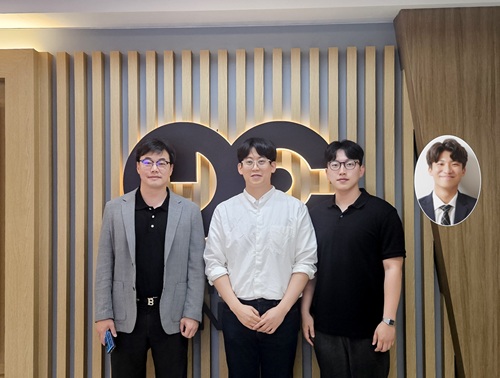
< Photo 1. (From left) Professor Inkyu Park of KAIST Department of Mechanical Engineering (ME), Dr. Jungrak Choi of ETRI, Ph.D. Candidate Donho Lee and M.S. Graduate Chankyu Han of KAIST ME >
When a robot grabs an object or a medical device detects a pulse, the tactile sensor is the technology that senses pressure like a fingertip. Existing sensors had disadvantages, such as slow responses or declining accuracy after repeated use, but Korean researchers have succeeded in developing a sensor that can quickly and accurately detect even light breath, pressure, and sound. This sensor can be used across a broad range — from everyday movements to medical diagnostics.
KAIST (represented by President Kwang Hyung Lee) announced on the 23rd of June that Professor Inkyu Park’s team from the Department of Mechanical Engineering, through a collaborative research project with the Electronics and Telecommunications Research Institute (ETRI, President Seung Chan Bang ) under the National Research Council of Science & Technology (NST, Chairman Young Sik Kim), has developed an innovative technology that overcomes the structural limitations of existing tactile sensors.
The core of this joint research is the implementation of a customized tactile sensor that simultaneously achieves flexibility, precision, and repeatable durability by applying Thermoformed 3D Electronics (T3DE).
< Figure 1. Comparative evaluation of soft elastomer–based 3D structure versus thermoforming-based 3D structure in terms of mechanical properties. >
In particular, soft elastomer-based sensors (rubber, silicone, etc. — materials that stretch and return to their original shape) have structural problems such as slow response times, high hysteresis*, and creep**, but this new platform operates precisely in diverse environments and overcomes these limitations.
*Hysteresis: A phenomenon where the previously applied force or change is retained like a “memory,” so that the same stimulus does not always produce the same result.
**Creep: The phenomenon where a material slowly deforms when a force is continuously applied.
T3DE sensors are manufactured by precisely forming electrodes on a 2D film, then thermoforming them into a 3D structure under heat and pressure. Specifically, the top electrodes and supporting pillar structures of the sensor are designed to allow the fine-tuning of the mechanical properties for different purposes. By adjusting microstructural parameters — such as the thickness, length, and number of support pillars — the sensor’s Young’s modulus* can be tuned across a broad range of 10 Pa to 1 MPa. This matches the stiffness of biological tissues like skin, muscle, and tendons, making them highly suitable as bio-interface sensors.
*Young’s modulus: An index representing a material's stiffness; this research can control this index to match various biological tissues.
The newly developed T3DE sensor uses air as a dielectric material to reduce power consumption and demonstrates outstanding performance in sensitivity, response time, thermal stability, and repeatable accuracy.
Experimental results showed that the sensor achieved △sensitivity of 5,884 kPa⁻¹, △response time of 0.1 ms (less than one-thousandth of a second), △hysteresis of less than 0.5%, and maintained a repeatable precision of 99.9% or higher even after 5,000 repeated measurements.
< Figure 2. Graphic Overview of thermoformed 3D electronics (T3DE) >
The research team also constructed a high-resolution 40×70 array, comprising a total of 2,800 densely packed sensors, to visualize the pressure distribution on the sole of the foot in real time during exercise and confirmed the possibility of using the sensor for wrist pulse measurement to assess vascular health. Furthermore, successful results were also achieved in sound-detection experiments at a level comparable to commercial acoustic sensors. In short, the sensor can precisely and quickly measure foot pressure, pulse, and sound, allowing it to be applied in areas such as sports, health, and sound sensing.
The T3DE technology was also applied to an augmented-reality(AR)-based surgical training system. By adjusting the stiffness of each sensor element to match that of biological tissues, the system provided real-time visual and tactile feedback according to the pressure applied during surgical incisions. It also offered real-time warnings if an incision was too deep or approached a risky area, making it a promising technology for enhancing immersion and accuracy in medical training.
KAIST Professor Inkyu Park stated, “Because this sensor can be precisely tuned from the design stage and operates reliably across diverse environments, it can be used not only in everyday life, but also in a variety of fields such as healthcare, rehabilitation, and virtual reality.”
The research was co-led as first authors by Dr. Jungrak Choi of ETRI, KAIST master’s student Chankyu Han, and Ph.D. candidate Donho Lee, under the overall guidance of Professor Inkyu Park. The research results were published in the May 2025 issue of ‘Science Advances’ and introduced to the global research community through the journal’s official SNS channels (Facebook, Twitter).
※ Thesis Title: Thermoforming 2D films into 3D electronics for high-performance, customizable tactile sensing
※ DOI: 10.1126/sciadv.adv0057
< Figure 3. The introduction of the study on the official SNS posting by Science Advances >
This research was supported by the Ministry of Trade, Industry and Energy, the National Research Foundation of Korea, and the Korea Institute for Advancement of Technology.
2025.06.23 View 13437
-
 KAIST Professor Jee-Hwan Ryu Receives Global IEEE Robotics Journal Best Paper Award
- Professor Jee-Hwan Ryu of Civil and Environmental Engineering receives the Best Paper Award from the Institute of Electrical and Electronics Engineers (IEEE) Robotics Journal, officially presented at ICRA, a world-renowned robotics conference.
- This is the highest level of international recognition, awarded to only the top 5 papers out of approximately 1,500 published in 2024.
- Securing a new working channel technology for soft growing robots expands the practicality and application possibilities in the field of soft robotics.
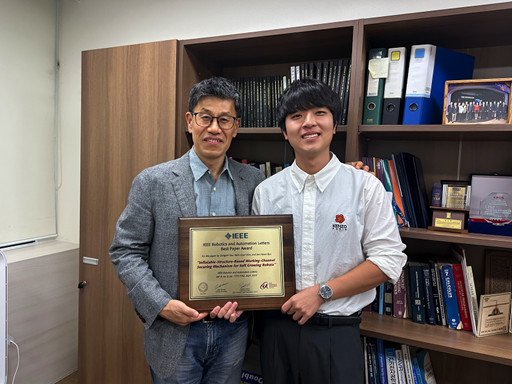
< Professor Jee-Hwan Ryu (left), Nam Gyun Kim, Ph.D. Candidate (right) from the KAIST Department of Civil and Environmental Engineering and KAIST Robotics Program >
KAIST (President Kwang-Hyung Lee) announced on the 6th that Professor Jee-Hwan Ryu from the Department of Civil and Environmental Engineering received the 2024 Best Paper Award from the Robotics and Automation Letters (RA-L), a premier journal under the IEEE, at the '2025 IEEE International Conference on Robotics and Automation (ICRA)' held in Atlanta, USA, on May 22nd.
This Best Paper Award is a prestigious honor presented to only the top 5 papers out of approximately 1,500 published in 2024, boasting high international competition and authority.
The award-winning paper by Professor Ryu proposes a novel working channel securing mechanism that significantly expands the practicality and application possibilities of 'Soft Growing Robots,' which are based on soft materials that move or perform tasks through a growing motion similar to plant roots.
< IEEE Robotics Journal Award Ceremony >
Existing soft growing robots move by inflating or contracting their bodies through increasing or decreasing internal pressure, which can lead to blockages in their internal passages. In contrast, the newly developed soft growing robot achieves a growing function while maintaining the internal passage pressure equal to the external atmospheric pressure, thereby successfully securing an internal passage while retaining the robot's flexible and soft characteristics.
This structure allows various materials or tools to be freely delivered through the internal passage (working channel) within the robot and offers the advantage of performing multi-purpose tasks by flexibly replacing equipment according to the working environment.
The research team fabricated a prototype to prove the effectiveness of this technology and verified its performance through various experiments. Specifically, in the slide plate experiment, they confirmed whether materials or equipment could pass through the robot's internal channel without obstruction, and in the pipe pulling experiment, they verified if a long pipe-shaped tool could be pulled through the internal channel.
< Figure 1. Overall hardware structure of the proposed soft growing robot (left) and a cross-sectional view composing the inflatable structure (right) >
Experimental results demonstrated that the internal channel remained stable even while the robot was growing, serving as a key basis for supporting the technology's practicality and scalability.
Professor Jee-Hwan Ryu stated, "This award is very meaningful as it signifies the global recognition of Korea's robotics technology and academic achievements. Especially, it holds great significance in achieving technical progress that can greatly expand the practicality and application fields of soft growing robots. This achievement was possible thanks to the dedication and collaboration of the research team, and I will continue to contribute to the development of robotics technology through innovative research."
< Figure 2. Material supplying mechanism of the Soft Growing Robot >
This research was co-authored by Dongoh Seo, Ph.D. Candidate in Civil and Environmental Engineering, and Nam Gyun Kim, Ph.D. Candidate in Robotics. It was published in IEEE Robotics and Automation Letters on September 1, 2024.
(Paper Title: Inflatable-Structure-Based Working-Channel Securing Mechanism for Soft Growing Robots, DOI: 10.1109/LRA.2024.3426322)
This project was supported simultaneously by the National Research Foundation of Korea's Future Promising Convergence Technology Pioneer Research Project and Mid-career Researcher Project.
2025.06.09 View 17992
-
 KAIST School of Computing Unveils 'KRAFTON Building,' A Symbol of Collective Generosity
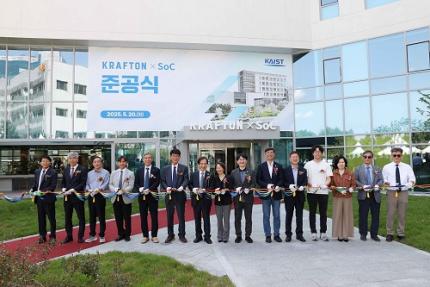
< (From the fifth from the left) Provost and Executive Vice President Gyun Min Lee, Auditor Eun Woo Lee, President Kwang-Hyung Lee, Dean of the School of Computing Seok-Young Ryu, former Krafton member and donor Woong-Hee Cho, Krafton Chairman Byung-Gyu Chang >
KAIST announced on May 20th the completion of the expansion building for its School of Computing, the "KRAFTON Building." The project began in June 2021 with an ₩11 billion donation from KRAFTON and its employees, eventually growing to ₩11.7 billion with contributions from 204 donors.
Designed as a "Pay It Forward" space, the building aims to enable alumni to pass on the gratitude they received from the school to their juniors and foster connection. Byung-Gyu Chang, Chairman of KRAFTON and a KAIST alumnus, expressed his joy, stating, "I am very pleased that the first building created by alumni donations within KAIST is now complete, and I hope it will continue to be a space for communication, challenges, and growth that connects to the next generation."
The completion ceremony, held today at 3 PM in front of the KRAFTON SoC (School of Computing) Building at KAIST's main campus, was attended by over 100 people, including Chairman Byung-Gyu Chang, KAIST President Kwang-Hyung Lee, and Dean Seok-Young Ryu of the KAIST School of Computing.
The building's inception dates back to June 2021, with an ₩11 billion donation from the gaming company KRAFTON and its current and former members, dedicated to nurturing future software talent at KAIST. Four alumni, including KRAFTON Chairman Byung-Gyu Chang, who graduated from the KAIST School of Computing, were the first to pledge donations. This initial act inspired more participants, leading to ₩5.5 billion in individual donations from a total of 11 people. KRAFTON Inc. then matched this amount, bringing the total donation to ₩11 billion.
Since 2021, KRAFTON Inc. has operated a "Matching Grant" program, a donation culture initiative driven by its members. This system allows the company to match funds voluntarily raised by its employees, aiming to encourage active social participation and the creation of social value among its members.
Following this, another 11 KAIST alumni from Devsisters Inc., famous for the Cookie Run series, joined the donation effort. This wave of generosity expanded to include a total of 204 participants, comprising graduates, alumni professors, and current students, acting as a catalyst for the spread of a donation culture within the campus. To date, approximately ₩11.7 billion has been raised for the expansion of the School of Computing building. Furthermore, small donations, including those from alumni and the general public, have continuously grown, reaching over 50,000 instances from 2021 to May 2025.
The funds raised through donations were used to construct a 2,000-pyeong (approximately 6,600 square meters) building for individuals who, like Chairman Byung-Gyu Chang, will unleash their potential and become global leaders. The building was named "KRAFTON SoC (KRAFTON SoC)," and KRAFTON Inc. has further pledged additional donations for the building's maintenance over the next 10 years.
The newly completed KRAFTON Building is a six-story structure. From the second floor up, it features research labs for 20 professors and graduate students to freely pursue their research, along with large lecture halls. The first floor is designed as a meeting place for current students, alumni, and seniors, serving as a space to remember those who came before them.
The four lecture halls on the first floor are designated as "Immersion Camp Classrooms." During the summer and winter sessions, these rooms will be used for intensive month-long courses focused on improving coding and collaboration skills. During regular semesters, they will be utilized for other lectures.
Additionally, to support the physical and mental well-being of those weary from study and research, the building includes a small café on the first floor, a fitness center on the second floor, a Pilates studio on the fifth floor, and a soundproof band practice room in the basement.
Dean Seok-Young Ryu of the School of Computing explained, "The motivation for this wave of donations began with gratitude for the excellent professors and wonderful students, the free and open communication, the comfortable acceptance of diversity among various members, and the time when we could fearlessly dream. We cannot fully repay those who provided us with such precious time and space, but instead, this will be a 'Pay It Forward' space, a space of connection, where we share this gratitude with our juniors."
Alumnus Byung-Gyu Chang shared, "KAIST is more than just an academic foundation for me; it's a meaningful place that helped me set the direction for my life. I am very happy that this space, born from the desire of KRAFTON's members and myself to give back the opportunities and learning we received to the next generation, is completed today. I hope this space becomes a small but warm echo for KAIST members who freely communicate, challenge themselves, and grow."
< Congratulatory speech by alumnus Byung-Gyu Chang >
President Kwang-Hyung Lee stated, "The KRAFTON SoC, the expanded building for the School of Computing, is not just a space; it is the culmination of the KAIST community spirit created by alumni, current students, and faculty. I sincerely thank everyone who participated in this meaningful donation, which demonstrates the power of sharing and connection."
< Commemorative speech by President Kwang-Hyung Lee >
On a related note, the KAIST Development Foundation is actively promoting the "TeamKAIST" campaign for the general public and KAIST alumni to meet more "Daddy Long-Legs" (benefactors) for KAIST.
Website: https://giving.kaist.ac.kr/ko/sub01/sub0103_1.php
2025.05.21 View 14785
-
 KAIST Develops AI-Driven Performance Prediction Model to Advance Space Electric Propulsion Technology
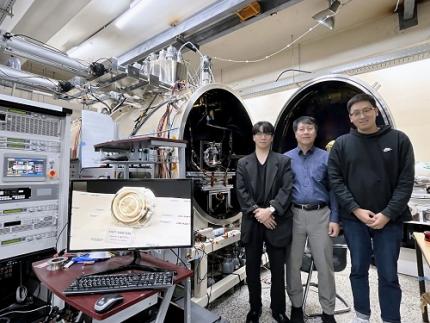
< (From left) PhD candidate Youngho Kim, Professor Wonho Choe, and PhD candidate Jaehong Park from the Department of Nuclear and Quantum Engineering >
Hall thrusters, a key space technology for missions like SpaceX's Starlink constellation and NASA's Psyche asteroid mission, are high-efficiency electric propulsion devices using plasma technology*. The KAIST research team announced that the AI-designed Hall thruster developed for CubeSats will be installed on the KAIST-Hall Effect Rocket Orbiter (K-HERO) CubeSat to demonstrate its in-orbit performance during the fourth launch of the Korean Launch Vehicle called Nuri rocket (KSLV-2) scheduled for November this year.
*Plasma is one of the four states of matter, where gases are heated to high energies, causing them to separate into charged ions and electrons. Plasma is used not only in space electric propulsion but also in semiconductor manufacturing, display processes, and sterilization devices.
On February 3rd, the research team from the KAIST Department of Nuclear and Quantum Engineering’s Electric Propulsion Laboratory, led by Professor Wonho Choe, announced the development of an AI-based technique to accurately predict the performance of Hall thrusters, the engines of satellites and space probes.
Hall thrusters provide high fuel efficiency, requiring minimal propellant to achieve significant acceleration of spacecrafts or satellites while producing substantial thrust relative to power consumption. Due to these advantages, Hall thrusters are widely used in various space missions, including the formation flight of satellite constellations, deorbiting maneuvers for space debris mitigation, and deep space missions such as asteroid exploration.
As the space industry continues to grow during the NewSpace era, the demand for Hall thrusters suited to diverse missions is increasing. To rapidly develop highly efficient, mission-optimized Hall thrusters, it is essential to predict thruster performance accurately from the design phase.
However, conventional methods have limitations, as they struggle to handle the complex plasma phenomena within Hall thrusters or are only applicable under specific conditions, leading to lower prediction accuracy.
The research team developed an AI-based performance prediction technique with high accuracy, significantly reducing the time and cost associated with the iterative design, fabrication, and testing of thrusters. Since 2003, Professor Wonho Choe’s team has been leading research on electric propulsion development in Korea. The team applied a neural network ensemble model to predict thruster performance using 18,000 Hall thruster training data points generated from their in-house numerical simulation tool.
The in-house numerical simulation tool, developed to model plasma physics and thrust performance, played a crucial role in providing high-quality training data. The simulation’s accuracy was validated through comparisons with experimental data from ten KAIST in-house Hall thrusters, with an average prediction error of less than 10%.
< Figure 1. This research has been selected as the cover article for the March 2025 issue (Volume 7, Issue 3) of the AI interdisciplinary journal, Advanced Intelligent Systems. >
The trained neural network ensemble model acts as a digital twin, accurately predicting the Hall thruster performance within seconds based on thruster design variables.
Notably, it offers detailed analyses of performance parameters such as thrust and discharge current, accounting for Hall thruster design variables like propellant flow rate and magnetic field—factors that are challenging to evaluate using traditional scaling laws.
This AI model demonstrated an average prediction error of less than 5% for the in-house 700 W and 1 kW KAIST Hall thrusters and less than 9% for a 5 kW high-power Hall thruster developed by the University of Michigan and the U.S. Air Force Research Laboratory. This confirms the broad applicability of the AI prediction method across different power levels of Hall thrusters.
Professor Wonho Choe stated, “The AI-based prediction technique developed by our team is highly accurate and is already being utilized in the analysis of thrust performance and the development of highly efficient, low-power Hall thrusters for satellites and spacecraft. This AI approach can also be applied beyond Hall thrusters to various industries, including semiconductor manufacturing, surface processing, and coating, through ion beam sources.”
< Figure 2. The AI-based prediction technique developed by the research team accurately predicts thrust performance based on design variables, making it highly valuable for the development of high-efficiency Hall thrusters. The neural network ensemble processes design variables, such as channel geometry and magnetic field information, and outputs key performance metrics like thrust and prediction accuracy, enabling efficient thruster design and performance analysis. >
Additionally, Professor Choe mentioned, “The CubeSat Hall thruster, developed using the AI technique in collaboration with our lab startup—Cosmo Bee, an electric propulsion company—will be tested in orbit this November aboard the K-HERO 3U (30 x 10 x 10 cm) CubeSat, scheduled for launch on the fourth flight of the KSLV-2 Nuri rocket.”
This research was published online in Advanced Intelligent Systems on December 25, 2024 with PhD candidate Jaehong Park as the first author and was selected as the journal’s cover article, highlighting its innovation.
< Figure 3. Image of the 150 W low-power Hall thruster for small and micro satellites, developed in collaboration with Cosmo Bee and the KAIST team. The thruster will be tested in orbit on the K-HERO CubeSat during the KSLV-2 Nuri rocket’s fourth launch in Q4 2025. >
This research was supported by the National Research Foundation of Korea’s Space Pioneer Program (200mN High Thrust Electric Propulsion System Development).
(Paper Title: Predicting Performance of Hall Effect Ion Source Using Machine Learning, DOI: https://doi.org/10.1002/aisy.202400555 )
< Figure 4. Graphs of the predicted thrust and discharge current of KAIST’s 700 W Hall thruster using the AI model (HallNN). The left image shows the Hall thruster operating in KAIST Electric Propulsion Laboratory’s vacuum chamber, while the center and right graphs present the prediction results for thrust and discharge current based on anode mass flow rate. The red lines represent AI predictions, and the blue dots represent experimental results, with a prediction error of less than 5%. >
2025.02.03 View 25770
-
 KAIST Uncovers the Principles of Gene Expression Regulation in Cancer and Cellular Functions
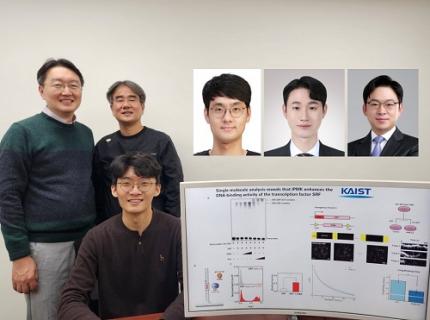
< (From left) Professor Seyun Kim, Professor Gwangrog Lee, Dr. Hyoungjoon Ahn, Dr. Jeongmin Yu, Professor Won-Ki Cho, and (below) PhD candidate Kwangmin Ryu of the Department of Biological Sciences>
A research team at KAIST has identified the core gene expression networks regulated by key proteins that fundamentally drive phenomena such as cancer development, metastasis, tissue differentiation from stem cells, and neural activation processes. This discovery lays the foundation for developing innovative therapeutic technologies.
On the 22nd of January, KAIST (represented by President Kwang Hyung Lee) announced that the joint research team led by Professors Seyun Kim, Gwangrog Lee, and Won-Ki Cho from the Department of Biological Sciences had uncovered essential mechanisms controlling gene expression in animal cells.
Inositol phosphate metabolites produced by inositol metabolism enzymes serve as vital secondary messengers in eukaryotic cell signaling systems and are broadly implicated in cancer, obesity, diabetes, and neurological disorders.
The research team demonstrated that the inositol polyphosphate multikinase (IPMK) enzyme, a key player in the inositol metabolism system, acts as a critical transcriptional activator within the core gene expression networks of animal cells. Notably, although IPMK was previously reported to play an important role in the transcription process governed by serum response factor (SRF), a representative transcription factor in animal cells, the precise mechanism of its action was unclear.
SRF is a transcription factor directly controlling the expression of at least 200–300 genes, regulating cell growth, proliferation, apoptosis, and motility, and is indispensable for organ development, such as in the heart.
The team discovered that IPMK binds directly to SRF, altering the three-dimensional structure of the SRF protein. This interaction facilitates the transcriptional activity of various genes through the SRF activated by IPMK, demonstrating that IPMK acts as a critical regulatory switch to enhance SRF's protein activity.
< Figure 1. The serum response factor (SRF) protein, a key transcription factor in animal cells, directly binds to inositol polyphosphate multikinase (IPMK) enzyme and undergoes structural change to acquire DNA binding ability, and precisely regulates growth and differentiation of animal cells through transcriptional activation. >
The team further verified that disruptions in the direct interaction between IPMK and SRF lead to the reduced functionality and activity of SRF, causing severe impairments in gene expression.
By highlighting the significance of the intrinsically disordered region (IDR) in SRF, the researchers underscored the biological importance of intrinsically disordered proteins (IDPs). Unlike most proteins that adopt distinct structures through folding, IDPs, including those with IDRs, do not exhibit specific structures but play crucial biological roles, attracting significant attention in the scientific community.
Professor Seyun Kim commented, "This study provides a vital mechanism proving that IPMK, a key enzyme in the inositol metabolism system, is a major transcriptional activator in the core gene expression network of animal cells. By understanding fundamental processes such as cancer development and metastasis, tissue differentiation from stem cells, and neural activation through SRF, we hope this discovery will lead to the broad application of innovative therapeutic technologies."
The findings were published on January 7th in the international journal Nucleic Acids Research (IF=16.7, top 1.8% in Biochemistry and Molecular Biology), under the title “Single-molecule analysis reveals that IPMK enhances the DNA-binding activity of the transcription factor SRF" (DOI: 10.1093/nar/gkae1281).
This research was supported by the National Research Foundation of Korea's Mid-career Research Program, Leading Research Center Program, and Global Research Laboratory Program, as well as by the Suh Kyungbae Science Foundation and the Samsung Future Technology Development Program.
2025.01.24 View 26467
-
 KAIST Awarded Presidential Commendation for Contributions in Software Industry
- At the “25th Software Industry Day” celebration held in the afternoon on Monday, December 2nd, 2024 at Yangjae L Tower in Seoul
- KAIST was awarded the “Presidential Commendation” for its contributions for the advancement of the Software Industry in the Group Category
- Korea’s first AI master’s and doctoral degree program opened at KAIST Kim Jaechul Graduate School of AI
- Focus on training non-major developers through SW Officer Training Academy "Jungle", Machine Learning Engineer Bootcamp, etc., talents who can integrate development and collaboration, and advanced talents in the latest AI technologies.
- Professor Minjoon Seo of KAIST Kim Jaechul Graduate School of AI received Prime Minister’s Commendation for his contributions for the advancement of the software industry.
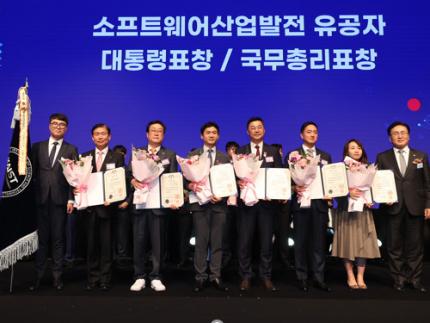
< Photo 1. Professor Kyung-soo Kim, the Senior Vice President for Planning and Budget (second from the left) and the Manager of Planning Team, Mr. Sunghoon Jung, stand at the stage after receiving the Presidential Commendation as KAIST was selected as one of the groups that contributed to the advancement of the software industry at the "25th Software Industry Day" celebration. >
“KAIST has been leading the way in achieving the grand goal of fostering 1 million AI talents in Korea by services that pan from providing various educational opportunities, from developing the capabilities of experts with no computer science specialty to fostering advanced professionals. I would like to thank all members of KAIST community who worked hard to achieve the great feat of receiving the Presidential Commendations.” (KAIST President Kwang Hyung Lee)
KAIST (President Kwang Hyung Lee) announced on December 3rd that it was selected as a group that contributed to the advancement of the software industry at the “2024 Software Industry Day” celebration held at the Yangjae El Tower in Seoul on the 2nd of December and received a presidential commendation.
The “Software Industry Day”, hosted by the Ministry of Science and ICT and organized by the National IT Industry Promotion Agency and the Korea Software Industry Association, is an event designed to promote the status of software industry workers in Korea and to honor their achievements.
Every year, those who have made significant contributions to policy development, human resource development, and export growth for industry revitalization are selected and awarded the ‘Software Industry Development Contribution Award.’
KAIST was recognized for its contribution to developing a demand-based, industrial field-centric curriculum and fostering non-major developers and convergence talents with the goal of expanding software value and fostering excellent human resources.
< Photo 2. Senior Vice President for Planning and Budget Kyung-soo Kim receiving the commendation as the representative of KAIST >
Specifically, it first opened the SW Officer Training Academy "Jungle" to foster convergent program developers equipped with the abilities to handle both the computer coding and human interactions for collaborations. This is a non-degree program that provides intensive study and assignments for 5 months for graduates and intellectuals without prior knowledge of computer science.
KAIST Kim Jaechul Graduate School of AI opened and operated Korea’s first master's and doctoral degree program in the field of artificial intelligence. In addition, it planned a “Machine Learning Engineers’ Boot Camp” and conducted lectures and practical training for a total of 16 weeks on the latest AI technologies such as deep learning basics and large language models. It aims to strengthen the practical capabilities of start-up companies while lowering the threshold for companies to introduce AI technology.
Also, KAIST was selected to participate in the 1st and 2nd stages of the Software-centered University Project and has been taking part in the project since 2016. Through this, it was highly evaluated for promoting curriculum based on latest technology, an autonomous system where students directly select integrated education, and expansion of internships.
< Photo 3. Professor Minjoon Seo of Kim Jaechul Graduate School of AI, who received the Prime Minister's Commendation for his contribution to the advancement of the software industry on the same day >
At the awards ceremony that day, Professor Minjoon Seo of KAIST Kim Jaechul Graduate School of AI also received the Prime Minister's Commendation for his contribution to the advancement of the software industry. Professor Seo was recognized for his leading research achievements in the fields of AI and natural language processing by publishing 28 papers in top international AI conferences over the past four years.
At the same time, he was noted for his contributions to enhancing the originality and innovation of language model research, such as △knowledge encoding, △knowledge access and utilization, and △high-dimensional inference performance, and for demonstrating leadership in the international academic community.
President Kwang Hyung Lee of KAIST stated, “Our university will continue to do its best to foster software talents with global competitiveness through continuous development of cutting-edge curriculum and innovative degree systems.”
2024.12.03 View 23393
-
 KAIST Proposes AI Training Method that will Drastically Shorten Time for Complex Quantum Mechanical Calculations
- Professor Yong-Hoon Kim's team from the School of Electrical Engineering succeeded for the first time in accelerating quantum mechanical electronic structure calculations using a convolutional neural network (CNN) model
- Presenting an AI learning principle of quantum mechanical 3D chemical bonding information, the work is expected to accelerate the computer-assisted designing of next-generation materials and devices
The close relationship between AI and high-performance scientific computing can be seen in the fact that both the 2024 Nobel Prizes in Physics and Chemistry were awarded to scientists for their AI-related research contributions in their respective fields of study. KAIST researchers succeeded in dramatically reducing the computation time for highly sophisticated quantum mechanical computer simulations by predicting atomic-level chemical bonding information distributed in 3D space using a novel AI approach.
KAIST (President Kwang-Hyung Lee) announced on the 30th of October that Professor Yong-Hoon Kim's team from the School of Electrical Engineering developed a 3D computer vision artificial neural network-based computation methodology that bypasses the complex algorithms required for atomic-level quantum mechanical calculations traditionally performed using supercomputers to derive the properties of materials.
< Figure 1. Various methodologies are utilized in the simulation of materials and materials, such as quantum mechanical calculations at the nanometer (nm) level, classical mechanical force fields at the scale of tens to hundreds of nanometers, continuum dynamics calculations at the macroscopic scale, and calculations that mix simulations at different scales. These simulations are already playing a key role in a wide range of basic research and application development fields in combination with informatics techniques. Recently, there have been active efforts to introduce machine learning techniques to radically accelerate simulations, but research on introducing machine learning techniques to quantum mechanical electronic structure calculations, which form the basis of high-scale simulations, is still insufficient. >
The quantum mechanical density functional theory (DFT) calculations using supercomputers have become an essential and standard tool in a wide range of research and development fields, including advanced materials and drug design, as they allow fast and accurate prediction of material properties.
*Density functional theory (DFT): A representative theory of ab initio (first principles) calculations that calculate quantum mechanical properties from the atomic level.
However, practical DFT calculations require generating 3D electron density and solving quantum mechanical equations through a complex, iterative self-consistent field (SCF)* process that must be repeated tens to hundreds of times. This restricts its application to systems with only a few hundred to a few thousand atoms.
*Self-consistent field (SCF): A scientific computing method widely used to solve complex many-body problems that must be described by a number of interconnected simultaneous differential equations.
Professor Yong-Hoon Kim’s research team questioned whether recent advancements in AI techniques could be used to bypass the SCF process. As a result, they developed the DeepSCF model, which accelerates calculations by learning chemical bonding information distributed in a 3D space using neural network algorithms from the field of computer vision.
< Figure 2. The deepSCF methodology developed in this study provides a way to rapidly accelerate DFT calculations by avoiding the self-consistent field process (orange box) that had to be performed repeatedly in traditional quantum mechanical electronic structure calculations through artificial neural network techniques (green box). The self-consistent field process is a process of predicting the 3D electron density, constructing the corresponding potential, and then solving the quantum mechanical Cohn-Sham equations, repeating tens to hundreds of times. The core idea of the deepSCF methodology is that the residual electron density (δρ), which is the difference between the electron density (ρ) and the sum of the electron densities of the constituent atoms (ρ0), corresponds to chemical bonding information, so the self-consistent field process is replaced with a 3D convolutional neural network model. >
The research team focused on the fact that, according to density functional theory, electron density contains all quantum mechanical information of electrons, and that the residual electron density — the difference between the total electron density and the sum of the electron densities of the constituent atoms — contains chemical bonding information. They used this as the target for machine learning.
They then adopted a dataset of organic molecules with various chemical bonding characteristics, and applied random rotations and deformations to the atomic structures of these molecules to further enhance the model’s accuracy and generalization capabilities. Ultimately, the research team demonstrated the validity and efficiency of the DeepSCF methodology on large, complex systems.
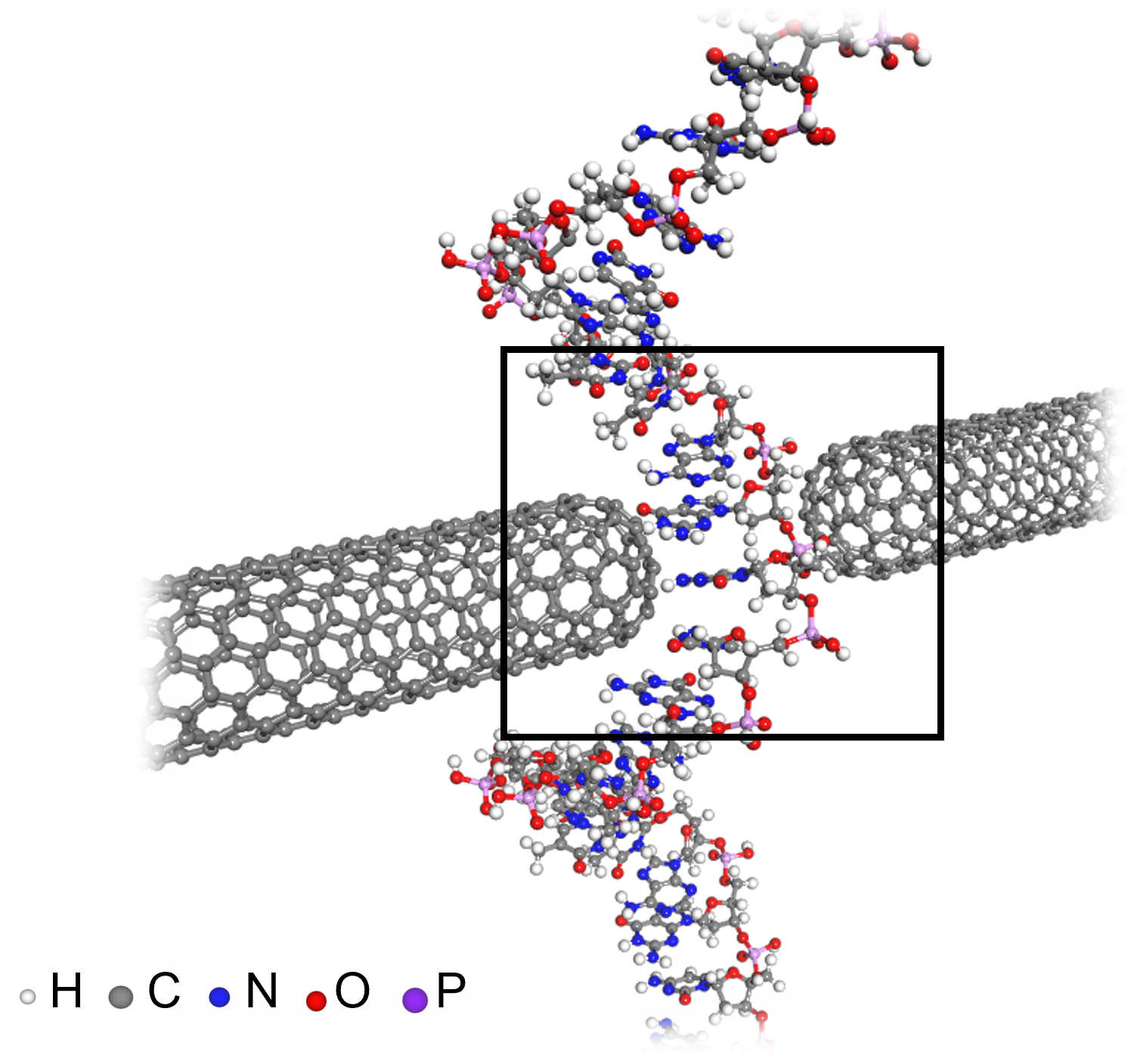
< Figure 3. An example of applying the deepSCF methodology to a carbon nanotube-based DNA sequence analysis device model (top left). In addition to classical mechanical interatomic forces (bottom right), the residual electron density (top right) and quantum mechanical electronic structure properties such as the electronic density of states (DOS) (bottom left) containing information on chemical bonding are rapidly predicted with an accuracy corresponding to the standard DFT calculation results that perform the SCF process. >
Professor Yong-Hoon Kim, who supervised the research, explained that his team had found a way to map quantum mechanical chemical bonding information in a 3D space onto artificial neural networks. He noted, “Since quantum mechanical electron structure calculations underpin materials simulations across all scales, this research establishes a foundational principle for accelerating material calculations using artificial intelligence.”
Ryong-Gyu Lee, a PhD candidate in the School of Electrical Engineering, served as the first author of this research, which was published online on October 24 in Npj Computational Materials, a prestigious journal in the field of material computation. (Paper title: “Convolutional network learning of self-consistent electron density via grid-projected atomic fingerprints”)
This research was conducted with support from the KAIST High-Risk Research Program for Graduate Students and the National Research Foundation of Korea’s Mid-career Researcher Support Program.
2024.10.30 View 18219