%41%4e%53
-
 KAIST Develops Transistor-Based Encryption That Controls When Information Can Be Read
Some information, such as exam questions or bid prices, must remain unreadable until an agreed time, even if it has already been delivered. KAIST researchers have used changes in the electric current inside a semiconductor to develop encryption in which information is revealed only after a set amount of time has passed, or can be read correctly only at a specific time. In addition to the key needed to restore the original information, the technology adds a second condition: when the information is read.
KAIST (President Choongsik Bae) announced on October 14 that a research team led by Professor Kyung Min Kim from the Department of Materials Science and Engineering has developed a dual-state programmable oxide transistor (DUPOT), a single device in which long-term and short-term memory can be controlled independently. The team then used the transistor to implement time-based cryptography.
A transistor is a small semiconductor component that controls the flow of electric current. The DUPOT is made from oxide materials, and its two electrical states can be independently set by applying appropriate voltages. The term “programmable” refers to this ability to set the device to a desired state.
Encryption methods that use time as a condition for accessing information have been studied before. What sets this study apart is that the time at which information can be read is determined by physical changes within the semiconductor itself, rather than by external clocks or software alone.
To achieve this, the researchers implemented two types of memory in a single transistor: long-term memory, which is retained for a long period, and short-term memory, which changes over time. In this context, memory refers to a device’s ability to retain a state that has been changed by an applied voltage. The team used the long-lasting state to set the reference for the information and the time-varying state to control when the target information appears.
Conventional memory transistors store information mainly by changing the threshold voltage, the voltage at which current begins to flow. The DUPOT, by contrast, can independently control both the threshold voltage and the saturation current, the level of current maintained under fixed operating conditions. As a result, the voltage at which current begins to flow and the amount of current that flows can be set separately.
The two states are produced by different mechanisms. When a positive voltage is applied to the gate, the terminal that controls the current, electrons become trapped in hafnium oxide (HfO₂), an insulating layer that does not easily conduct electricity. This shifts the threshold voltage. Because this state is retained for a long time, it serves as long-term memory.
When a negative voltage is applied to the gate, oxygen ions (electrically charged oxygen particles) move to the interface between the insulating layer and the channel through which current flows, which reduces the saturation current. Once the voltage is removed, the oxygen ions gradually redistribute and the current recovers. The team used this change as short-term memory.
Using several transistors, the researchers configured how the current changed over time and set a readout criterion for each device to demonstrate two encryption methods.
In time-release encryption, information appears only after a certain amount of time has passed. In the experiment, the difference in current between the target pattern and the background grew over time, and the letter “T” became readable after 8.4 seconds.
In time-bound encryption, the correct information can be read only within a specified time window. In the experiment, a decoy pattern, the letter “K,” appeared at 1.5 seconds, while the target letter “T” appeared at the designated time of 37 seconds. The same array therefore displays different information depending on when it is read. These time points were chosen for the experiment.
The team also proposed an encryption method for cloud environments, in which data are stored on remote servers accessed over the internet. In this method, different time conditions are applied to the ciphertext stored in the cloud and to the decryption key held by the user Ciphertext is data that has been converted into a form in which the original information cannot be recognized, and a decryption key is the information needed to convert it back. In a demonstration using the device array, the researchers restored the original information by combining the ciphertext and the key that matched each time condition.
The study shows that a semiconductor can do more than store information: it can also determine when that information is read. The technology could be used to protect information that must not be disclosed before a certain time or that must be readable only under specific time conditions. However, the technology cannot revoke access to copies of information that have already been obtained.
“The significance of this work is that long-lasting memory and time-varying memory can each be controlled independently within a single transistor and used for time-based encryption,” said Professor Kyung Min Kim. Kim added that the team plans to build on the time-dependent changes of the semiconductor itself to develop the technology further for cloud and smart-device security, as well as for a range of information-processing technologies.
The current study has demonstrated the feasibility of time-based encryption at the array level. The team plans to lower the operating voltage and improve device-to-device uniformity and consistency over repeated operating cycles, so that the devices can work stably in a variety of environments. The researchers then aim to extend the technology to time-based security and to neuromorphic devices, which mimic how neurons in the brain work and connect.
The study, with Ph.D. candidate Huisu Noh of the Department of Materials Science and Engineering as first author and Professor Kyung Min Kim as corresponding author, was published online in Advanced Materials on September 10, 2026.
Paper title: Dual-State Programmable Oxide Transistor for Time-Based Cryptography,
DOI: 10.1002/adma.74951
This research was supported by the Next-Generation Intelligent Semiconductor Technology Development Program of the National Research Foundation of Korea (NRF) (RS-2025-02433006).
2026.10.14 View 2103
-
 KAIST Uses Surface ‘Defects’ to Enhance Droplet Formation and Removal, Achieving Up to 5.5 Times the Heat Transfer Performance of Conventional Surfaces
A technology that boosts condensation heat transfer performance by up to 5.5 times that of conventional copper surfaces has been developed by helping water droplets form more readily and detach more quickly. It is expected to help improve the energy efficiency of power plants and desalination facilities and enhance the cooling performance of electronic devices.
KAIST (President Choongsik Bae) announced on August 23 that a joint research team led by Professor Youngsuk Nam from the Department of Mechanical Engineering and Professor Sung Gap Im from the Department of Chemical and Biomolecular Engineering has developed a technology that controls the thickness and structure of an ultrathin polymer coating applied to a surface, allowing more water droplets to form and the resulting droplets to detach more quickly as water vapor turns into liquid water.
Condensation is the process by which water vapor turns into liquid water. It is easy to observe in everyday life, as when droplets form on the surface of a cold beverage cup. In industrial settings, it is widely used to convert steam back into water at power plants, obtain fresh water from seawater, and remove heat generated by electronic devices.
During condensation, rapidly removing water from the surface is essential. On ordinary metal surfaces, small droplets merge to form a thin water film. This water film adds thermal resistance, impeding heat flow and reducing heat transfer efficiency, much like layers of winter clothing that slow the loss of body heat.
By contrast, when water forms as small droplets and continuously detaches, it repeatedly exposes fresh surface area. This phenomenon, in which water condenses as droplets, is known as dropwise condensation. Put simply, instead of water continuously covering the surface, droplets repeatedly form and fall away. This allows heat to be transferred more effectively.
Existing technologies, however, faced a dilemma. Roughening the surface to create more sites where droplets could first form caused the droplets to become caught on the structures and prevented them from detaching easily. Conversely, smoothing the surface helped droplets detach but reduced the number of sites available for new droplets to form. In other words, surface features that promote droplet formation can also make droplets harder to remove, creating a fundamental trade-off between nucleation and droplet mobility.
The research team solved this problem by using nanoscale polymer aggregates that had previously been regarded as ‘defects’ in polymer films. The team used initiated chemical vapor deposition (iCVD), a process that deposits gas-phase precursors onto a surface to create an ultrathin polymer film. When the polymer film was made thinner, small polymer aggregates formed densely across the surface and served as nucleation sites where water droplets could readily begin to form. As a result, approximately three times more droplets formed on the thin polymer films than on the thicker films.
The team then added a heat treatment step to reduce the force holding droplets to the surface. This allowed droplets to detach easily before growing large. In other words, thinning the polymer film increased the number of sites where droplets could form, while heat treatment helped the resulting droplets detach quickly. The key advance was to control these two competing effects separately: film thickness increased droplet nucleation, while thermal treatment promoted droplet removal.
New droplets form again where previous droplets have detached. Much like the next person taking a seat as soon as it becomes vacant, the faster droplets form and detach, the more frequently the surface is renewed, allowing heat to transfer more efficiently during condensation.
The research team coated copper tubes commonly used in actual condensers with the polymer film and evaluated their performance. The maximum condensation heat transfer coefficient, a measure of heat transfer ability, reached approximately 88 kW·m⁻²·K⁻¹. This represented heat transfer performance up to approximately 5.5 times higher than that of a conventional copper surface with a water film. The coating also performed more than 50% better than a conventional hydrophobic coating surface.
Unlike conventional approaches focused on making surfaces smooth or hydrophobic, this study actively used small surface ‘defects.’ The researchers found that nanoscale particles previously regarded as features to be eliminated could instead help droplets form, and they incorporated that finding into a new surface-design strategy.
If applied to power plants or industrial heat exchangers, the technology could help improve energy efficiency by transferring heat more effectively. It is also expected to enable more effective water collection in desalination and water-harvesting devices and faster heat removal for improved cooling of electronic devices.
Professor Nam said, “This research is meaningful because it uses nanostructures previously regarded as defects as features that help droplets form. We have presented a new method for improving heat transfer efficiency by separately controlling droplet formation and removal.” He added, “Because this technology can form extremely thin, uniform coatings even on surfaces with complex shapes, we expect it to be used in various energy and environmental applications, including industrial heat exchangers.”
Jun Soo Kim, a researcher in the Department of Mechanical Engineering, and Minjeong Kang, a researcher in the Department of Chemical and Biomolecular Engineering, co-authored the study as first authors. The results were published online in the international journal Nature Communications on July 16.
Paper title: Rational design of polymer film morphology via structure–performance linkage for enhanced condensation performance
DOI: https://doi.org/10.1038/s41467-026-75621-5
This research was supported by the Mid-Career Researcher Program (Ministry of Science and ICT and the National Research Foundation of Korea), the SME Technology Innovation Development Program (Ministry of SMEs and Startups and the Korea Technology and Information Promotion Agency for SMEs), and the Deep-Tech Startup Activation Support Program (Ministry of Science and ICT and Commercialization Promotion Agency for R&D Outcomes, COMPA).
2026.08.24 View 4689
-
 A Breakthrough Concept in Nano-Printing Technology
<(From Left) Professor Inkyu Park, Ph.D candidate Byung-Ho Kang, Researcher Jun-Ho Jeong, Professor Junseong Ahn>
A breakthrough technology has been developed that allows metal circuits floating on water to be transferred directly onto any desired surface. A South Korean research team has introduced a novel technique capable of transferring ultra-fine nano-circuits onto plant leaves and fruits, as well as curved automotive surfaces and robot exteriors, all without causing any damage. This technology is expected to be widely utilized across various cutting-edge industries, including smart agriculture, wearable healthcare, and bioelectronics.
KAIST announced on June 15th that a joint research team led by Distinguished Professor Inkyu Park from the Department of Mechanical Engineering, Dr. Jun-Ho Jeong from the Korea Institute of Machinery and Materials and Professor Junseong Ahn from Korea University has successfully developed "Water-Floating Nano-Transfer Printing (WF-nTP)." This technology enables precision metal thin films floated on water to be transferred onto various 3D surfaces.
Conventional nano-transfer printing (nTP), which is widely used to manufacture electronic devices and sensors, typically requires high heat, intense pressure, adhesives, or toxic chemical solvents. Consequently, applying this method to biological tissues or complex curved surfaces that are sensitive to heat and pressure has proven highly challenging.
To overcome these limitations, the research team proposed a completely new approach: floating metal circuits on the surface of water.
Fabrication: The team deposited an ultra-thin layer of metals such as gold (Au), platinum (Pt), palladium (Pd), or nickel (Ni) onto a polymer mold.
Separation: They then used plasma gas which has a high-energy state of ionized gas to selectively remove (etch) a part of the mold.
Floating: When this structure is placed in water, water infiltrates through the microscopic gaps, causing the 20-nanometer (nm) thick metal film to float to the surface on its own while perfectly maintaining its original shape.
<Overview of the water-floated nano mesh and versatile transfer technique>
The research team transferred the metal circuits using a "scooping" method, which involves submerging the target object beneath the floating film and slowly lifting it upward. As the water evaporates, capillary force (the force that moves liquid through narrow spaces) tightly adheres the circuit to the surface. Once the water completely dries, intermolecular forces come into play, securing the circuit firmly in place without the need for any adhesive.
Notably, the team also succeeded in transferring circuits onto hydrophobic (water-repellent) surfaces, such as lotus leaves. By adding a small amount of ethanol to the water to lower its surface tension (the property of a liquid surface that causes it to shrink), they effectively overcame a major limitation of conventional technologies.
This technology holds immense potential for widespread application because it can adapt to diverse surfaces while flawlessly preserving the nano-patterns. Using this method, the research team fabricated Surface-Enhanced Raman Scattering (SERS) sensors which are used for high-sensitivity detection of trace chemical substances and attached them directly to plant leaves and fruit surfaces. Through this, they successfully detected thiram, a pesticide component, on the surfaces of leaves and fruits. Furthermore, they successfully implemented a wearable, high-performance hydrogen gas sensor by transferring a palladium (Pd) mesh onto highly flexible thermoplastic polyurethane (TPU) fibers.
<Research Image(AI-generated)>
Distinguished Professor Inkyu Park stated: "This technology is highly significant as it shatters the substrate limitations of conventional nano-transfer printing, allowing nano-patterns to be transferred onto sensitive surfaces like living plant leaves or human skin without heat or adhesives. We expect it to evolve into a core platform technology for wearable sensors and bioelectronics, finding applications in smart agriculture for pesticide detection without damaging crops, wearable health monitoring devices, bioelectronic devices, and electronic skins for next-generation robots."
This research, with PhD student Byung-Ho Kang from the KAIST Department of Mechanical Engineering participating as the first author, was published online on March 30, 2026, in the prestigious international academic journal Nature Communications.
The study authors include Byung-Ho Kang, Ji-Hwan Ha, Yeongjae Kwon, Sohee Jeon, Donho Lee, Byeongmin Kang, Soon Hyoung Hwang, Junseong Ahn, Jun-Ho Jeong, and Inkyu Park.
Meanwhile, this research was conducted with funding from the Ministry of Science and ICT through the National Research Foundation of Korea (NRF) Mid-Career Researcher Support Program, and the Ministry of Trade, Industry and Energy through the Korea Evaluation Institute of Industrial Technology (KEIT) Alchemist Project.
2026.06.15 View 6401
-
 Distinguished Professor Sang Yup Lee Receives the AIBN Translational Research Award from the University of Queensland, Australia
<Distinguished Professor Sang Yup Lee immediately after receiving the AIBN Medal (AIBN Translational Research Award)>
KAIST announced on February 9th that Sang Yup Lee, Distinguished Professor of Chemical and Biomolecular Engineering (and Vice President for Research), was presented with the AIBN Medal (AIBN Translational Research Award) on February 3rd (local time) at the Australian Institute for Bioengineering and Nanotechnology (AIBN), located at the University of Queensland (UQ) in Brisbane, Australia.
The AIBN Medal is awarded to recognize translational research achievements that extend biotechnological research into industrial and social value. It is often described as an award for "achievements that do not let research end in the laboratory." Rather than focusing solely on the number of papers or citations, the award prioritizes industrial applicability, technology dissemination, international cooperation, and social impact. It is a symbolic global award in the field of translational research presented by AIBN, a world-class research hub for synthetic biology, metabolic engineering, and biomanufacturing. The medal was personally presented by Professor Sue Harrison, Deputy Vice-Chancellor (Research) at the University of Queensland.
<Professor Sue Harrison, Deputy Vice-Chancellor of UQ, personally presenting the medal>
During his commemorative lecture, Distinguished Professor Sang Yup Lee spoke on the topic of "Systems Metabolic Engineering for Chemical Production," presenting a future vision for sustainable biomanufacturing and synthetic biology technologies.
<Vice President for Research giving the award lecture on Systems Metabolic Engineering for Chemical Production>
For approximately 32 years at KAIST, Distinguished Professor Sang Yup Lee has pioneered research in metabolic engineering, synthetic biology, and systems biotechnology. To date, he has accumulated world-class research achievements, including 798 papers in international journals, 868 patents (registered and filed), over 3,000 presentations at domestic and international conferences, and approximately 690 keynote and invited lectures.
Furthermore, he has contributed to establishing the academic framework of the field through numerous publications, such as Metabolic Engineering, Systems Biology and Biotechnology of Escherichia coli, and Systems Metabolic Engineering.
In its official announcement, AIBN stated the background for the award: "Distinguished Professor Sang Yup Lee is a world-renowned scholar in the field of systems metabolic engineering who has made continuous and meaningful contributions not only to academic influence but also to the University of Queensland and the Australian research ecosystem." Notably, Professor Lee played a key role in establishing research strategies during the early days of AIBN (2006–2007). His collaboration has since expanded from sugar-based biomanufacturing to synthetic aviation fuels and waste-gas fermentation-based bioprocessing.
This collaboration led to global joint research with entities such as Amyris (a US-based bio-chemical and fuel company), UC Berkeley, LanzaTech (a global leader in waste-gas fermentation), and SkyNRG (a Dutch company leading the development of Sustainable Aviation Fuel, SAF). These efforts served as a vital foundation for the University of Queensland to become Australia’s representative research hub in synthetic biology and systems metabolic engineering.
Professor Lee is an International Member of the National Academy of Sciences (NAS) and the National Academy of Engineering (NAE) in the US, a Foreign Member of The Royal Society in the UK, and a Foreign Member of the Chinese Academy of Engineering. He also serves as the Co-Chair of the Global Future Council on Biotechnology for the World Economic Forum (WEF), continuing his international activities across academia, policy, and industry.
In his acceptance speech, Vice President Sang Yup Lee remarked, "I believe this AIBN Medal is not just an individual achievement, but the fruit of long-standing cooperation between researchers from KAIST, UQ, and Korea and Australia. It is a meaningful award that demonstrates how research in systems metabolic engineering and synthetic biology can lead to solutions for sustainable industry and social issues." He added, "Moving forward, I will continue to strengthen global research cooperation and translational research to ensure that biotechnology provides tangible value to human life."
KAIST President Kwang Hyung Lee commented, "This award goes beyond the personal excellence of Distinguished Professor Sang Yup Lee; it is a case where KAIST’s research capabilities and international cooperation strategies have been recognized globally. KAIST will continue to lead translational research where results spread to industry and society, contributing to the sustainable bio-industry and the resolution of global challenges through cooperation with global partners."
Meanwhile, Distinguished Professor Sang Yup Lee was originally named the inaugural recipient of the 1st AIBN Medal in 2016. However, the official ceremony was delayed due to scheduling conflicts and the COVID-19 pandemic, leading to his attendance and formal receipt of the award nearly 10 years later.
2026.02.09 View 5531
-
 AI Enters the Experienced Hire Era... Teaching Learned Knowledge with Ease
< (From left) KAIST Professor Hyunwoo J. Kim, Postdoctoral Researcher Sanghyeok Lee, M.S candidate Taehoon Song, Korea University Ph.D candidate Jihwan Park >
How inconvenient would it be if you had to manually transfer every contact and photo from scratch every time you switched to a new smartphone? Current Artificial Intelligence (AI) models face a similar predicament. Whenever a superior new AI model—such as a new version of ChatGPT—emerges, it has to be retrained with massive amounts of data and at a high cost to acquire specialized knowledge in specific fields. A Korean research team has developed a "knowledge transplantation" technology between AI models that can resolve this inefficiency.
KAIST announced on January 27th that a research team led by Professor Hyunwoo J. Kim from the School of Computing, in collaboration with a research team from Korea University, has developed a new technology capable of effectively "transplanting" learned knowledge between different AI models.
Recently, Vision-Language Models (VLM), which understand both images and text simultaneously, have been evolving rapidly. These are easily understood as multimodal AIs, like ChatGPT, which can provide explanations when a user shows them a photo and asks a question. These models have the advantage of adapting relatively quickly to new fields using small amounts of data by pre-learning large-scale image and language data.
However, the need to repeat this "adaptation process" from scratch every time a new AI model is released has been pointed out as a major inefficiency. Existing adaptation techniques also faced limitations: they were difficult to use if the model structure changed even slightly, or they significantly increased memory and computational costs because multiple models had to be used simultaneously.
To solve these problems, the research team proposed "TransMiter," a transferable adaptation technique that allows learned knowledge to be reused regardless of the model's structure or size. The core of this technology is directly transferring the "adaptation experience" accumulated by one AI as it learns to another AI model.
< TransMiter: A transferable adaptation technique reusable regardless of model structure, size, etc. >
The researchers' technology does not overhaul the complex internal structure of the AI; instead, it adopts a method of passing on "know-how" learned by observing only the prediction results (output) to another AI. Even if the AI models have different architectures, if the know-how learned by one AI is organized based on the answers given to the same questions, another AI can utilize that knowledge immediately. Consequently, there is no need to undergo the complex and time-consuming retraining process, and there is almost no slowdown in speed.
This study is highly significant as it is the first to prove that AI adaptation knowledge—previously considered almost impossible to reuse if model structures or sizes differed—can be precisely transplanted regardless of the model type. This is expected to not only reduce repetitive learning costs but also be utilized as a so-called "knowledge patch" technology that updates Large Language Models (LLMs) in real-time according to specific needs.
Professor Hyunwoo J. Kim explained, "By extending this research, we can significantly reduce the cost of post-training that had to be performed repeatedly whenever a rapidly evolving hyper-scale language model appears. It will enable 'model patches' that easily add expertise in specific fields."
The study involved Taehoon Song (Master's student, KAIST School of Computing), Sanghyeok Lee (Postdoctoral researcher), and Jihwan Park (Doctoral student, Korea University) as co-authors, with Professor Hyunwoo J. Kim serving as the corresponding author. The research results were accepted for oral presentation (4.6% acceptance rate as of 2025) at AAAI 2026 (Association for the Advancement of Artificial Intelligence), the most prestigious international conference in the field of AI, and were presented on January 25th.
Paper Title: Transferable Model-agnostic Vision-Language Model Adaptation for Efficient Weak-to-Strong Generalization
DOI: https://doi.org/10.48550/arXiv.2508.08604
Meanwhile, Professor Hyunwoo J. Kim's laboratory presented a total of three papers at the conference, including this paper and "TabFlash," a technology developed in collaboration with Google Cloud AI to enhance the understanding of tables within documents.
2026.01.27 View 6773
-
 Automatic C to Rust Translation Technology Gains Global Attention for Accuracy Beyond AI
<(From Left) Professor Sukyoung Ryu, Researcher Jaemin Hong>
As the C language, which forms the basis of critical global software like operating systems, faces security limitations, KAIST's research team is pioneering core original technology research for the accurate automatic conversion to Rust to replace it. By proving the mathematical correctness of the conversion, a limitation of existing Artificial Intelligence (LLM) methods, and solving C language security issues through automatic conversion to Rust, they presented a new direction and vision for future software security research. This work has been selected as the cover story for CACM, the world's highest-authority academic journal, thereby demonstrating KAIST's global research leadership in the field of computer science.
KAIST announced on the 9th of November that the paper by Professor Sukyoung Ryu's research team (Programming Language Research Group) from the School of Computing was selected as the cover story for the November issue of CACM (Communications of the ACM), the highest authority academic journal published by ACM (Association for Computing Machinery), the world's largest computer society.
<Photo of the Paper Selected for the Cover of Communications of the ACM>
This paper comprehensively addresses the technology developed by Professor Sukyoung Ryu's research team for the automatic conversion of C language to Rust, and it received high acclaim from the international research community for presenting the technical vision and academic direction this research should pursue in the future.
The C language has been widely used in the industry since the 1970s, but its structural limitations have continuously caused severe bugs and security vulnerabilities. Rust, on the other hand, is a secure programming language developed since 2015, used in the development of operating systems and web browsers, and has the characteristic of being able to detect and prevent bugs before program execution.
The US White House recommended discontinuing the use of C language in a technology report released in February 2024, and the Defense Advanced Research Projects Agency (DARPA) also explicitly stated that Rust is the core alternative for resolving C language security issues by promoting a project to develop technology for the automatic conversion of C code to Rust.
Professor Sukyoung Ryu's research team proactively raised the issues of C language safety and the importance of automatic conversion even before these movements began in earnest, and they have continuously developed core related technologies.
In May 2023, the research team presented the Mutex conversion technology (necessary for program synchronization) at ICSE (International Conference on Software Eng), the top authority conference in software engineering. In June 2024, they presented the Output Parameter conversion technology (used for result delivery) at PLDI (Programming Language Design and Implementation), the top conference in programming languages, and in October of the same year, they presented the Union conversion technology (for storing diverse data together) at ASE (Automated Software Eng), the representative conference in software automation.
These three studies are all "world-first" achievements presented at top-tier international academic conferences, successfully implementing automatic conversion technology for each feature with high completeness.
Since 2023, the research team has consistently published papers in CACM every year, establishing themselves as global leading researchers who consistently solve important and challenging problems worldwide.
This paper was published in CACM (Communications of the ACM) on October 24, with Dr. Jaemin Hong (Postdoctoral Research Fellow at KAIST Information and Electronics Research Institute) as the first author. ※Paper Title: Automatically Translating C to Rust, DOI: https://doi.org/10.1145/3737696
Dr. Jaemin Hong stated, "The conversion technology we developed is an original technology based on programming language theory, and its biggest strength is that we can logically prove the 'correctness' of the conversion." He added, "While most research relies on Large Language Models (LLMs), our technology can mathematically guarantee the correctness of the conversion."
Dr. Hong is scheduled to be appointed as an Assistant Professor in the Computer Science Department at UNIST starting in March 2025.
Furthermore, Professor Ryu's research team has four papers accepted for presentation at ASE 2025, the highest-authority conference in software engineering, including C→Rust conversion technology.
These papers, in addition to automatic conversion technology, cover various cutting-edge software engineering fields and are receiving high international acclaim. They include: technology to verify whether quantum computer programs operate correctly, 'WEST' technology that automatically checks the correctness of WebAssembly programs (technology for fast and efficient program execution on the web) and creates tests for them, and technology that automatically simplifies complex WebAssembly code to quickly find errors. Among these, the WEST paper received the Distinguished Paper Award.
This research was supported by the Leading Research Center/Mid-career Researcher Support Program of the National Research Foundation of Korea, the Institute of Information & Communications Technology Planning & Evaluation (IITP), and Samsung Electronics.
2025.11.10 View 11009
-
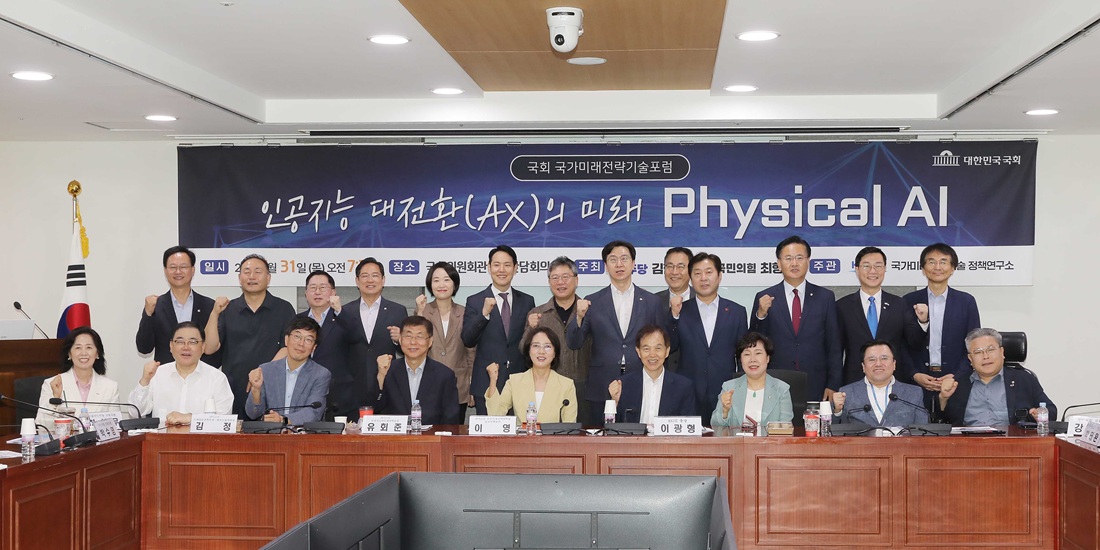 KAIST Successfully Presents the Future of AI Transformation and Physical AI Strategy at the 1st National Strategic Technology Forum
<(Front row, fourth from the right) President Kwang Hyung Lee of KAIST, (back row, fifth from the right) Forum co-host Representative Hyung-Doo Choi, (back row, sixth from the left) Forum co-host Representative Han-Kyu Kim, along with ruling and opposition party members of the Science, ICT, Broadcasting, and Communications Committee and the Trade, Industry, Energy, SMEs, and Startups Committee, as well as Professors Hoe-Jun Yoo and Jung Kim from KAIST)>
KAIST (President Kwang Hyung Lee) announced on July that it had successfully held the “1st National Strategic Technology Forum” at the National Assembly Members' Office Building that day under the theme “The Future of Artificial Intelligence Transformation (AX): Physical AI.” This bipartisan policy forum aimed to discuss strategies for technology hegemony by leveraging Korea’s strengths in AI semiconductors and manufacturing.
The forum was hosted by KAIST and co-organized by Representative Hyung-Du Choi (People Power Party), the secretary of the National Assembly's Science, ICT, Broadcasting, and Communications Committee, and Representative Han-Kyu Kim (Democratic Party), a member of the Trade, Industry, Energy, SMEs, and Startups Committee. It marks the beginning of a five-part forum series, scheduled monthly through the rest of the year except for October.
The overarching theme, “Artificial Intelligence Transformation (AX),” was designed to address the structural changes reshaping industry, the economy, and society due to the spread of generative AI.
< KAIST President Kwang Hyung Lee delivering his remarks >
The first session focused on “Physical AI,” reflecting how AI innovation—sparked by the proliferation of large language models (LLMs)—is rapidly expanding into the physical realm through ultra-low-power, ultra-lightweight semiconductors. This includes applications in robotics, sensors, and edge devices. Physical AI refers to technologies that interact directly with the real world through AI integration with robotics, autonomous driving, and smart factories. It is drawing attention as a promising next-generation field where Korea can secure a strategic edge, given its strengths in semiconductors and manufacturing.
<Hoi-Jun Yoo, Dean of the KAIST Graduate School of AI Semiconductor>
Hoi-Jun Yoo, Dean of the KAIST Graduate School of AI Semiconductor, gave a presentation titled “The Second AI Innovation Enabled by Ultra-Low-Power AI Semiconductors and Lightweight AI Models,” covering semiconductor trends for implementing Physical AI, academic and industrial strategies for robotics and semiconductors, and Korea’s development direction for “K-Physical AI.”
<Professor Jung Kim, the head of KAIST’s Department of Mechanical and Aerospace Engineering>
Following that, Professor Jung Kim, the head of KAIST’s Department of Mechanical and Aerospace Engineering gave a talk on “Trends in Physical AI and Humanoid Robots,” predicting a new industrial paradigm shaped by AI-robot convergence. He presented global trends, Korea’s development trajectory, and survival strategies for humanoid robots that can supplement or replace human intellectual and physical functions.
During the open discussion that followed, participating lawmakers and experts engaged in in-depth conversations about the need for bipartisan strategies and collaboration.
Representative Hyung-Du Choi (People Power Party) stated, “Through this forum as a platform for public discourse, I will work to ensure that legislation and policy align with the direction of the science and technology field, and that necessary measures are taken promptly to strengthen national competitiveness.”
Representative Han-Kyu Kim (Democratic Party) emphasized, “As strategic planning in science and technology accelerates, it becomes more difficult to coordinate policies involving multiple ministries. Forums like this, which enable ongoing communication among stakeholders, are instrumental in finding effective solutions.”
KAIST President Kwang Hyung Lee remarked, “Although Korea is a latecomer in the generative AI field, we have a unique opportunity to gain strategic superiority in Physical AI, thanks to our technological capabilities in manufacturing, semiconductors, and robotics.” He added, “I hope lawmakers from both the ruling and opposition parties, along with experts, will come together regularly to devise practical policies and contribute to the advancement of Korea’s science and technology.”
<Poster of National Strategic Technology Forum>
This forum series aims to explore policy and institutional solutions to help Korea gain technological leadership in a global context where strategic technologies—such as AI, semiconductors, biotechnology, and energy—directly influence national security and economic sovereignty. Lawmakers from both the Science, ICT, Broadcasting, and Communications Committee and the Trade, Industry, Energy, SMEs, and Startups Committee will continue to participate, fostering bipartisan dialogue. The forums are coordinated by the KAIST Policy Research Institute for National Strategic Technologies.
2025.07.31 View 7588
-
 KAIST School of Transdisciplinary Studies Is Driving Innovation in Korean Education
<(From Left) Professor Jaeseung Jeong, haed of the School of Transdiciplinary Studies, Dr, Albert Chau, Vice President of Hong Kong Baptist University>
KAIST (President Kwang Hyung Lee) announced on the 24th of July that its School of Transdisciplinary Studies has been consistently showcasing the results of its experiments and practices for educational innovation both domestically and abroad.
On June 27, Professor Jaeseung Jeong, head of the School of Transdisciplinary Studies, was invited to speak at the “Pacific Asia Summit on Transdisciplinary Education 2025 (PASTE 2025)” held at Hong Kong Baptist University. He presented the Korean model of transdisciplinary education under the title “The Philosophy and Achievements of the KAIST School of Transdisciplinary Studies.”
In his talk, Professor Jeong pointed out the limitations of conventional education systems that rely on answer-centered evaluation, perfectionism, and competitiveness, claiming that they hinder creativity and integrative thinking. He then introduced the philosophy and operational practices of the School of Transdisciplinary Studies, which was established in 2019 to overcome these issues.
Professor Jeong outlined five key principles that define the school's educational philosophy: ①a broad and integrative academic foundation, ②student-driven and customized education, ③creativity and execution, ④a sense of social responsibility and global citizenship, and ⑤learning driven by intrinsic motivation and curiosity. He explained that students are admitted without a declared major, allowed to design their own learning plans, and evaluated under a P/NR system* that focuses on growth rather than competition.
*P/NR system: A non-competitive grading system led by KAIST’s School of Transdisciplinary Studies. Instead of traditional letter grades (A/B/C/Fail), students receive Pass (P) or No Record (NR), with the latter not appearing as a failure and not affecting GPA.
Professor Jeong emphasized, “This experiment at KAIST represents a new educational paradigm that values questions over knowledge, culture over structure, and inquiry over competition. Students are bridging academic learning and real-world practice by addressing societal challenges through technology, which could lead to a fundamental shift in global higher education.”
His presentation provided an opportunity to spotlight how KAIST’s experimental approach to nurturing transdisciplinary talent is pointing to new directions for the global education community beyond Korea.
< Hyungjoon Jang, a student at the School of Transdisciplinary Studies>
The achievements of KAIST’s transdisciplinary education model are also reflected in students’ academic accomplishments. Hyungjoon Jang, a student at the School of Transdisciplinary Studies, participated in a collaborative study led by his mentor, Professor Jaekyung Kim in the Department of Mathematical Sciences, along with researchers from Chungnam National University and the Institute for Basic Science (IBS). Their groundbreaking analytical method enables the accurate estimation of inhibition constants using only a single inhibitor concentration. The paper was published in the prestigious journal Nature Communications in June, with Jang listed as co–first author.
Jang played a leading role throughout the research process by developing the experimental methodology, creating a software package to support the method, drafting the manuscript, and engaging in peer review. He also effectively communicated mathematical and statistical models to pharmaceutical experts by mastering presentation techniques and visual explanation strategies, thereby setting a strong example of interdisciplinary collaboration.
He emphasized that “the School of Transdisciplinary Studies’ mentor system allowed regular research feedback and the systematic acquisition of essential knowledge and analytical skills through courses in biochemistry and computational neuroscience.”
This example demonstrates how undergraduate students at the School of Transdisciplinary Studies can take leading roles in cutting-edge interdisciplinary research.
The school’s educational philosophy is also reflected in students’ practical actions. Inseo Jeong, a current student and founder of the startup MPAge Inc., made a meaningful donation to help establish a creative makerspace in the school.
<Inseo Jeong, founder of MPAG>
Inseo Jeong explained that the decision was made to express gratitude for the knowledge gained and the mentorship received from professors, saying that at the School of Transdisciplinary Studies, she learned not only how to solve problems with technology but also how to view society, and that learning has helped her grow. She added, “The deep understanding of humanity and the world emphasized by Professor Jaeseung Jeong will be a great asset not only to entrepreneurs but to all students pursuing diverse paths,” expressing support for her fellow students.
Inseo Jeong collaborated for over two years with Professor Hyunwook Ka of the School of Transdisciplinary Studies on software research for individuals with hearing impairments. After numerous algorithm designs and experimental iterations, their work, which considered the social scalability of technology, was presented at the world-renowned CSUN Assistive Technology Conference held at California State University, Northridge. The project has filed for a patent under KAIST’s name.
※ Presentation title: Evidence-Based Adaptive Transcription for Sign Language Users
KAIST is now working to complete the makerspace on the third floor of the Administrative Annex (N2) in Room 314 with a size of approximately 33 m2 during the summer. The makerspace is expected to serve as a hands-on, integrative learning environment where various ideas can be realized and implemented, playing a key role in fostering students’ creative problem-solving and integrative thinking skills.
KAIST President Kwang Hyung Lee stated, “The School of Transdisciplinary Studies is both an experimental ground and a practical field for overcoming the limitations of traditional education and nurturing global talents with creative problem-solving skills and integrative thinking, which are essential for the future.” He added, “KAIST will continue to lead efforts to cultivate question-asking, inquiry-driven, transdisciplinary talents and propose new paradigms for education and research.”
2025.07.24 View 6935
-
 KAIST Kicks Off the Expansion of its Creative Learning Building, a 50th Anniversary Donation Landmark
KAIST announced on July 10th that it held a groundbreaking ceremony on July 9th for the expansion of its Creative Learning Building. This project, which celebrates the university's 50th anniversary, will become a significant donation-funded landmark and marks the official start of its construction.
<(From left) President Kwang Hyung Lee, Former President Sung-Chul Shin>
The groundbreaking ceremony was attended by key donors who graced the occasion, including KAIST President Kwang Hyung Lee, former President Sung-Chul Shin, Alumni Association President Yoon-Tae Lee, as well as parents and faculty member.
The Creative Learning Building serves as a primary space where KAIST undergraduate and graduate students attend lectures, functioning as a central hub for a variety of classes and talks. It also houses student support departments, including the Student Affairs Office, establishing itself as a student-centric complex that integrates educational, counseling, and welfare functions.
This expansion is more than just an increase in educational facilities; it's being developed as a "donation landmark" embodying KAIST's identity and future vision. Designed with a focus on creative convergence education, this project aims to create a new educational hub that organically combines education, exchange, and welfare functions
The campaign included over 230 participants, including KAIST alumni Byung-gyu Chang, Chairman of Krafton, former Alumni Association President Ki-chul Cha, Dr. Kun-mo Chung (former Minister of Science and Technology), as well as faculty members, parents, and current students. They collectively raised 6.5 billion KRW in donations. The total cost for this expansion project is 9 billion KRW, encompassing a gross floor area of 3,222.92㎡ across five above-ground floors, with completion targeted for September 2026.
2025.07.10 View 8161
-
 KAIST Develops AI to Easily Find Promising Materials That Capture Only CO₂
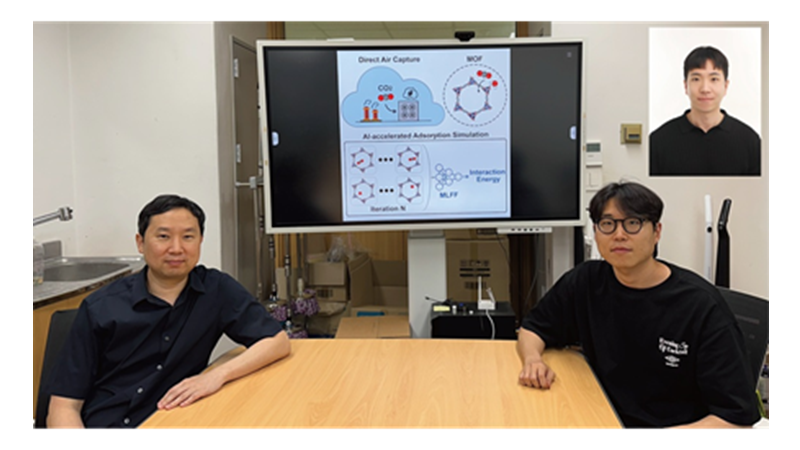
< Photo 1. (From left) Professor Jihan Kim, Ph.D. candidate Yunsung Lim and Dr. Hyunsoo Park of the Department of Chemical and Biomolecular Engineering >
In order to help prevent the climate crisis, actively reducing already-emitted CO₂ is essential. Accordingly, direct air capture (DAC) — a technology that directly extracts only CO₂ from the air — is gaining attention. However, effectively capturing pure CO₂ is not easy due to water vapor (H₂O) present in the air. KAIST researchers have successfully used AI-driven machine learning techniques to identify the most promising CO₂-capturing materials among metal-organic frameworks (MOFs), a key class of materials studied for this technology.
KAIST (President Kwang Hyung Lee) announced on the 29th of June that a research team led by Professor Jihan Kim from the Department of Chemical and Biomolecular Engineering, in collaboration with a team at Imperial College London, has developed a machine-learning-based simulation method that can quickly and accurately screen MOFs best suited for atmospheric CO₂ capture.
< Figure 1. Concept diagram of Direct Air Capture (DAC) technology and carbon capture using Metal-Organic Frameworks (MOFs). MOFs are promising porous materials capable of capturing carbon dioxide from the atmosphere, drawing attention as a core material for DAC technology. >
To overcome the difficulty of discovering high-performance materials due to the complexity of structures and the limitations of predicting intermolecular interactions, the research team developed a machine learning force field (MLFF) capable of precisely predicting the interactions between CO₂, water (H₂O), and MOFs. This new method enables calculations of MOF adsorption properties with quantum-mechanics-level accuracy at vastly faster speeds than before.
Using this system, the team screened over 8,000 experimentally synthesized MOF structures, identifying more than 100 promising candidates for CO₂ capture. Notably, this included new candidates that had not been uncovered by traditional force-field-based simulations. The team also analyzed the relationships between MOF chemical structure and adsorption performance, proposing seven key chemical features that will help in designing new materials for DAC.
< Figure 2. Concept diagram of adsorption simulation using Machine Learning Force Field (MLFF). The developed MLFF is applicable to various MOF structures and allows for precise calculation of adsorption properties by predicting interaction energies during repetitive Widom insertion simulations. It is characterized by simultaneously achieving high accuracy and low computational cost compared to conventional classical force fields. >
This research is recognized as a significant advance in the DAC field, greatly enhancing materials design and simulation by precisely predicting MOF-CO₂ and MOF-H₂O interactions.
The results of this research, with Ph.D. candidate Yunsung Lim and Dr. Hyunsoo Park of KAIST as co-first authors, were published in the international academic journal Matter on June 12.
※Paper Title: Accelerating CO₂ direct air capture screening for metal–organic frameworks with a transferable machine learning force field
※DOI: 10.1016/j.matt.2025.102203
This research was supported by the Saudi Aramco-KAIST CO₂ Management Center and the Ministry of Science and ICT's Global C.L.E.A.N. Project.
2025.06.29 View 9883
-
 KAIST Predicts Diseases by Early Detection of Aging Signals in Liver Tissue
- KAIST-KRIBB Develops ‘FiNi-seq’ Technology to Capture Characteristics of Fibrotic Microenvironments Accumulated in Liver Tissue and Dynamic Changes of Early Aging Cells
- Elucidation of the Spatial Ecosystem of Aged Liver Tissue, where Reprogramming of Senescent Cells and Immune Exhaustion Progresses, at the Single-Cell Genome and Epigenome Levels
< (From left) Professor Jong-Eun Park of KAIST Graduate School of Medical Science and Engineering (GSMSE), Dr. Chuna Kim of KRIBB, Dr. Kwon Yong Tak of KAIST GSMSE, Ph.D. Candidate Juyeon Kim of KRIBB, Ph.D. Candidate Myungsun Park of KAIST GSMSE >
Aging and chronic diseases involve the gradual accumulation of subtle tissue changes over a long period. Therefore, there are still limitations in quantitatively understanding these changes within organs and linking them to early signs of disease onset. In response, Korean researchers have successfully developed a platform technology that accurately captures localized changes that first occur within tissue, significantly aiding in faster disease discovery and prediction, and in setting personalized treatment targets.
KAIST (President Kwang Hyung Lee) announced on June 12th that a joint research team led by Professor Jong-Eun Park of the Graduate School of Medical Science and Engineering at KAIST and Dr. Chuna Kim of the Aging Convergence Research Center at the Korea Research Institute of Bioscience and Biotechnology (KRIBB, President Seok-Yoon Kwon) has developed ‘FiNi-seq (Fibrotic Niche enrichment sequencing)’ technology. This technology captures fibrotic microenvironments locally occurring in aged liver tissue and enables precise analysis at the single-cell transcriptome level*.
*Single-cell transcriptome analysis: A method to measure how actively each cell uses which genes, allowing identification and function of individual diseased cells.
The researchers developed a method to selectively enrich early aging microenvironments where regeneration is delayed and fibrosis accumulates, by physically selecting regions with high tissue degradation resistance in aged liver tissue.
In this process, high-resolution identification of fibrosis-related endothelial cells, fibroblasts interacting with the immune system, and immune-exhausted cells such as PD-1 highly expressing CD8 T cells, which were difficult to capture with existing single-cell analysis technologies, was possible.
In particular, the research team confirmed through ‘FiNi-seq’ technology that specific cells observed in fibrotic areas within aged liver tissue secondarily age the surrounding environment through secreted factors, and that this leads to the expansion of the aged environment.
Furthermore, they also elucidated the mechanism by which endothelial cells lose their tissue-specific identity and induce innate immune responses, promoting immune cell infiltration. Through spatial transcriptome analysis, the spatial distribution of fibroblasts interacting with immune cells was quantified, revealing their involvement in tissue regeneration, induction of inflammatory responses, and progression to chronic fibrosis.
The research team performed integrated analysis of multi-omics\* data to obtain transcriptome and epigenome information, precisely interpreting the microenvironment of aged liver tissue and its spatial heterogeneity, and confirming how these changes are connected to the intrahepatic vascular structure.
*Multi-omics: An integrated analysis method for various biological information within an organism, such as genes, proteins, metabolites, and cell information.
The newly developed ‘FiNi-seq’ technology is expected to be a useful platform for high-resolution capture of pathophysiological signals in most chronic liver diseases, including the aging process that causes fibrosis.
< Figure 1. Isolation of fibrotic regions from aged liver tissue, followed by single-cell transcriptome analysis and validation in a fibrosis model. >
The first author, Dr. Kwon Yong Tak of KAIST Graduate School of Medical Science and Engineering (GSMSE), a hepatologist at Seoul St. Mary's Hospital, designed this study to lay the groundwork for early diagnosis and treatment of fibrosis progression, the most important clinical prognostic indicator in chronic liver disease, while pursuing his Ph.D. at KAIST KAIST GSMSE with support from the physician-scientist training program. Co-first author Myungsun Park, a Ph.D. candidate at KAIST KAIST GSMSE, was responsible for the technical implementation of FiNi-seq technology, and Juyeon Kim, a Ph.D. candidate at KRIBB's Aging Convergence Research Center, was responsible for imaging analysis of aged tissue, playing a key role in the research.
Dr. Chuna Kim of KRIBB stated, “Through this study, we were able to precisely elucidate the cellular composition and spatial characteristics of the fibrotic microenvironment observed in aged liver tissue at the single-cell level.”
< Figure 2. Spatially defined stepwise progression patterns of aging-related regions within the liver and identification of regulatory factors inducing them. >
Professor Jong-Eun Park of the Graduate School of Medical Science and Engineering said, “As an analytical technology that can capture subtle changes occurring in the early stages of aging and chronic diseases, it is expected to play a significant role in finding effective treatment targets in the future. Also, we plan to expand this research to chronic diseases in other organs such as the lungs and kidneys, as well as various liver disease models.”
This research was published in the international journal ‘Nature Aging’ on May 5, 2025, with Dr. Kwon Yong Tak of KAIST KAIST GSMSE, Ph.D. Candidate Juyeon Kim of KRIBB, and Ph.D. Candidate Myungsun Park of KAIST as co-first authors.
*Paper Title: Quasi-spatial single-cell transcriptome based on physical tissue properties defines early aging associated niche in liver
*DOI: https://doi.org/10.1038/s43587-025-00857-7
This research was supported by several domestic institutions, including the National Research Foundation of Korea, the Korea Health Industry Development Institute (KHIDI), the Korea Research Institute of Bioscience and Biotechnology (KRIBB), KIST, POSCO Science Fellowship, and the Convergence Medical Scientist Training Program.
2025.06.12 View 12002
-
 KAIST sends out Music and Bio-Signs of Professor Kwon Ji-yong, a.k.a. G-Dragon, into Space to Pulsate through Universe and Resonate among Stars
KAIST (President Kwang-Hyung Lee) announced on the 10th of April that it successfully promoted the world’s first ‘Space Sound Source Transmission Project’ based on media art at the KAIST Space Research Institute on April 9th through collaboration between Professor Jinjoon Lee of the Graduate School of Culture Technology, a world-renowned media artist, and the global K-Pop artist, G-Dragon.
This project was proposed as part of the ‘AI Entertech Research Center’ being promoted by KAIST and Galaxy Corporation. It is a project to transmit the message and sound of G-Dragon (real name, Kwon Ji-yong), a singer/song writer affiliated with Galaxy Corporation and a visiting professor in the Department of Mechanical Engineering at KAIST, to space for the first time in the world.
This is a convergence project that combines science, technology, art, and popular music, and is a new form of ‘space culture content’ experiment that connects KAIST’s cutting-edge space technology, Professor Jinjoon Lee’s media art work, and G-Dragon’s voice and sound source containing his latest digital single, "HOME SWEET HOME".
< Photo 1. Professor Jinjoon Lee's Open Your Eyes Project "Iris"'s imagery projected on the 13m space antenna at the Space Research Institute >
This collaboration was planned with the theme of ‘emotional signals that expand the inner universe of humans to the outer universe.’ The image of G-Dragon’s iris was augmented through AI as a window into soul symbolizing his uniqueness and identity, and the new song “Home Sweet Home” was combined as an audio message containing the vibration of that emotion.
This was actually transmitted into space using a next-generation small satellite developed by KAIST Space Research Institute, completing a symbolic performance in which an individual’s inner universe is transmitted to outer space.
Professor Jinjoon Lee’s cinematic media art work “Iris” was unveiled at the site. This work was screened in the world’s first projection mapping method* on KAIST Space Research Institute’s 13m space antenna. This video was created using generative artificial intelligence (AI) technology based on the image of G-Dragon's iris, and combined with sound using the data of the sounds of Emile Bell rings – the bell that holds a thousand years of history, it presented an emotional art experience that transcends time and space.
*Projection Mapping: A technology that projects light and images onto actual structures to create visual changes, and is a method of expression that artistically reinterprets space.
This work is one of the major research achievements of KAIST TX Lab and Professor Lee based on new media technology based on biometric data such as iris, heartbeat, and brain waves.
Professor Jinjoon Lee said, "The iris is a symbol that reflects inner emotions and identity, so much so that it is called the 'mirror of the soul,' and this work sought to express 'the infinite universe seen from the inside of humanity' through G-Dragon's gaze."
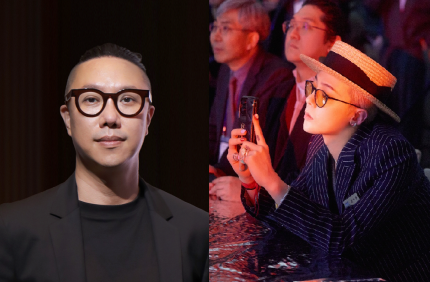
< Photo 2. (From left) Professor Jinjoon Lee of the Graduate School of Culture Technology and G-Dragon (Visiting Professor Kwon Ji-yong of the Department of Mechanical Engineering) >
He continued, "The universe is a realm of technology as well as a stage for imagination and emotion, and I look forward to an encounter with the unknown through a new attempt to speak of art in the language of science including AI and imagine science in the form of art." “G-Dragon’s voice and music have now begun their journey to space,” said Yong-ho Choi, Galaxy Corporation’s Chief Happiness Officer (CHO). “This project is an act of leaving music as a legacy for humanity, while also having an important meaning of attempting to communicate with space.” He added, “This is a pioneering step to introduce human culture to space, and it will remain as a monumental performance that opens a new chapter in the history of music comparable to the Beatles.”
Galaxy Corporation is leading the future entertainment technology industry through its collaboration with KAIST, and was recently selected as the only entertainment technology company in a private meeting with Microsoft CEO Nadella. In particular, it is promoting the globalization of AI entertainment technology, receiving praise as a “pioneer of imagination” for new forms of AI entertainment content, including the AI contents for the deceased.
< Photo 3. Photo of G-Dragon's Home Sweet Home being sent into the space via Professor Jinjoon Lee's Space Sound Source Transmission Project >
Through this project, KAIST Space Research Institute presented new possibilities for utilizing satellite technology, and showed a model for science to connect with society in a more popular way.
KAIST President Kwang-Hyung Lee said, “KAIST is a place that always supports new imaginations and challenges,” and added, “We will continue to strive to continue creative research that no one has ever thought of, like this project that combines science, technology, and art.”
In the meantime, Galaxy Corporation, the agency of G-Dragon’s Professor Kwon Ji-yong, is an AI entertainment company that presents a new paradigm based on IP, media, tech, and entertainment convergence technology.
2025.04.10 View 18758